Hidden Cotswold Villages: Peaceful Places to Explore with Your Dog
Some of our favourite places in the Cotswolds are the ones that most visitors simply drive past. Tucked away down quiet lanes, these hidden Cotswold villages have a timeless charm that’s hard to put into words. There are no crowds or queues here – just beautiful cottages, fascinating history and the kind of peaceful atmosphere that makes you want to slow down and stay a little longer.
Hidden Cotswold villages are also perfect places to explore with your dog. If you and your four-legged companion enjoy discovering places off the beaten track, these little-known villages are well worth adding to your itinerary.
1. Explore the village of Stanton (near Broadway)
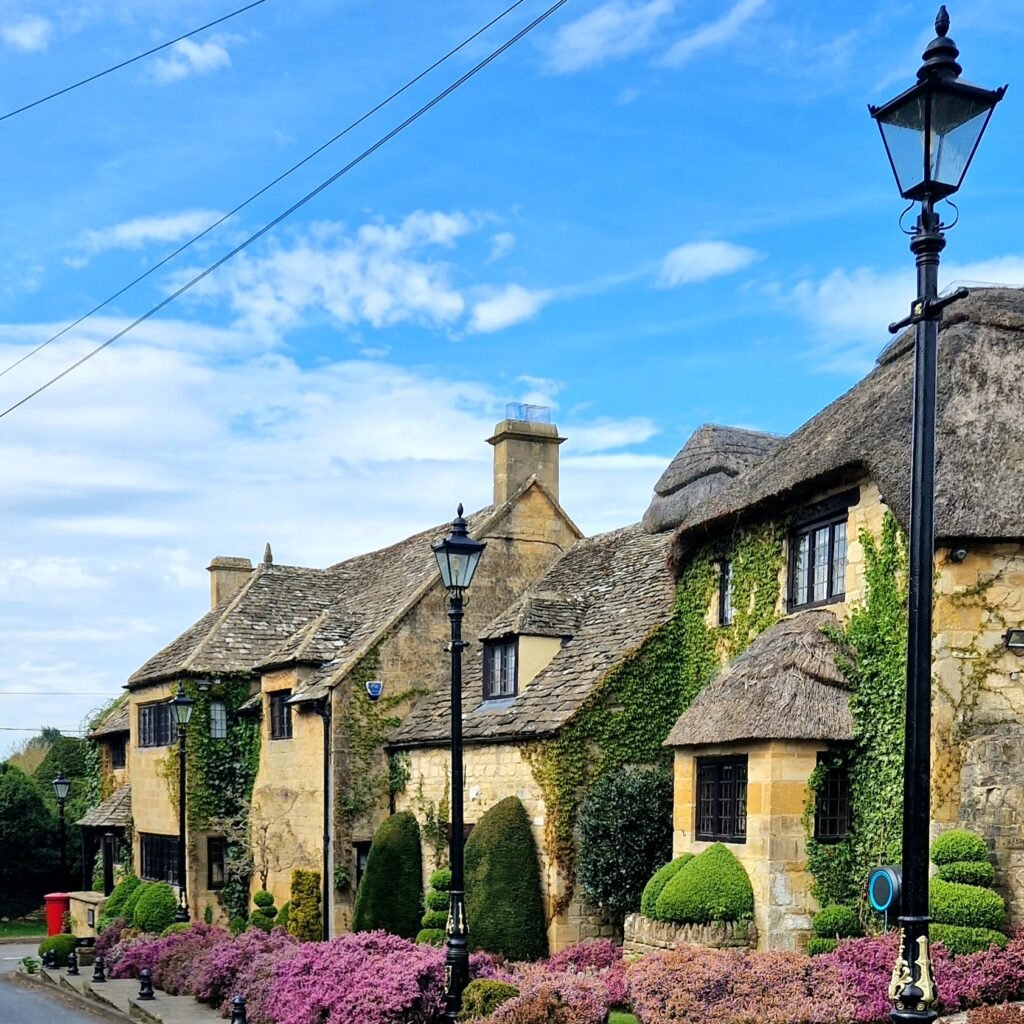
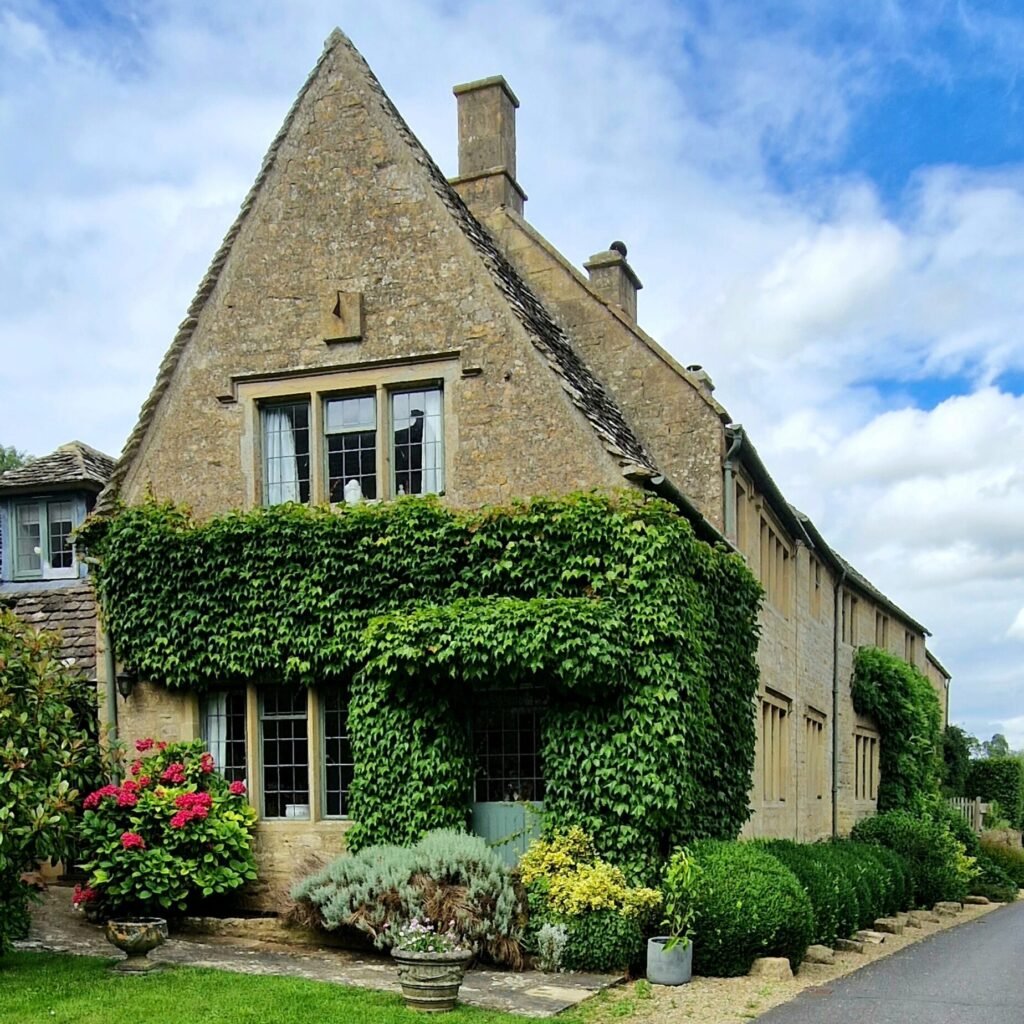
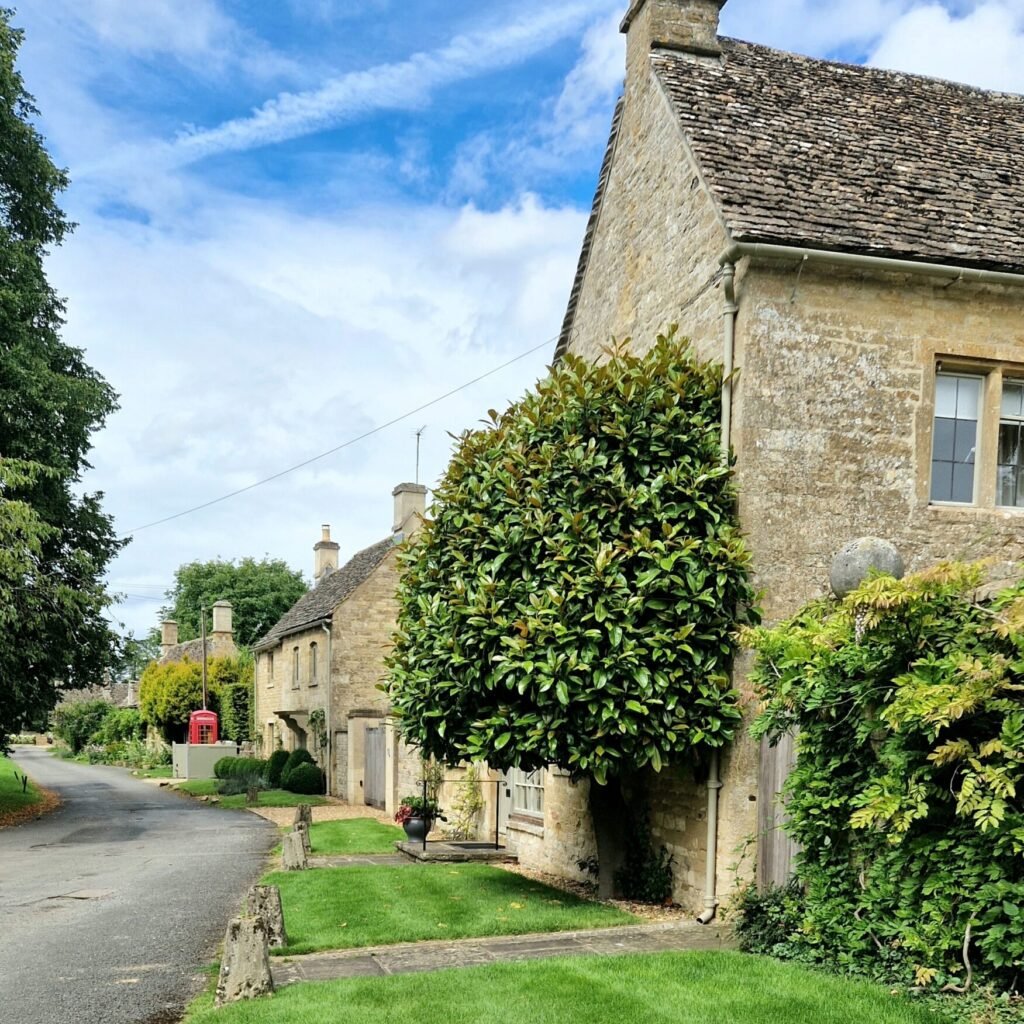
Just three miles from Broadway, Stanton is an idyllic, unspoilt and peaceful Cotswold village. Unlike popular tourist hotspots such as Bourton-on-the-Water or Stow-on-the Wold, Stanton has no school, post office or shops. It has changed very little over the centuries, giving visitors a glimpse of the Cotswolds as they once were. The village lies directly on the Cotswold Way, making it a popular stopping point for walkers following the route between Chipping Campden and Bath.
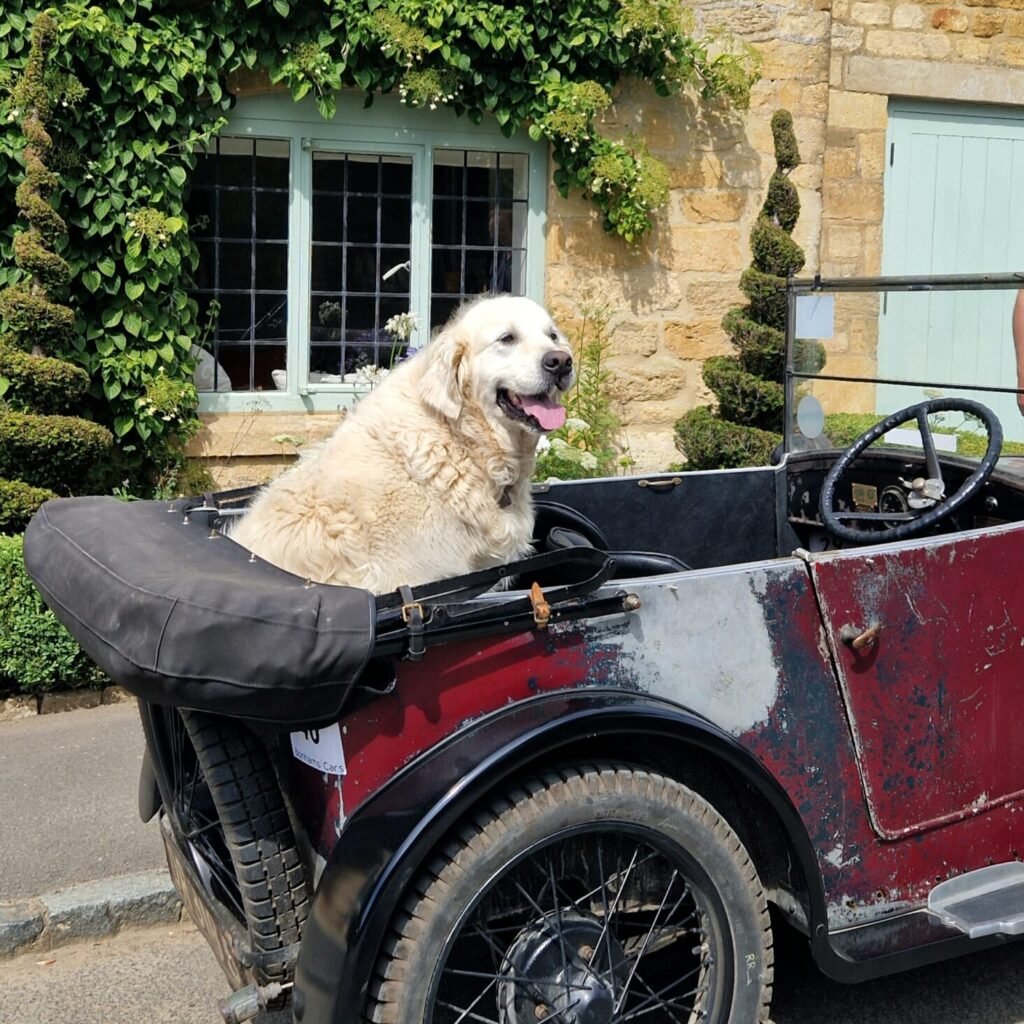
Village of Stanton
Village of Stanton
Village of Stanton
Village of Stanton
Stanton is closely associated with Sir Philip Sidney Stott (1858–1937), the English architect, civil engineer and surveyor. He moved to the village in 1913, taking up residence at Stanton Court, a 17th-century Jacobean manor house, now Grade II listed. Having already purchased much of the village in 1906, Stott went on to restore many of its historic buildings, helping to preserve Stanton’s unique character.
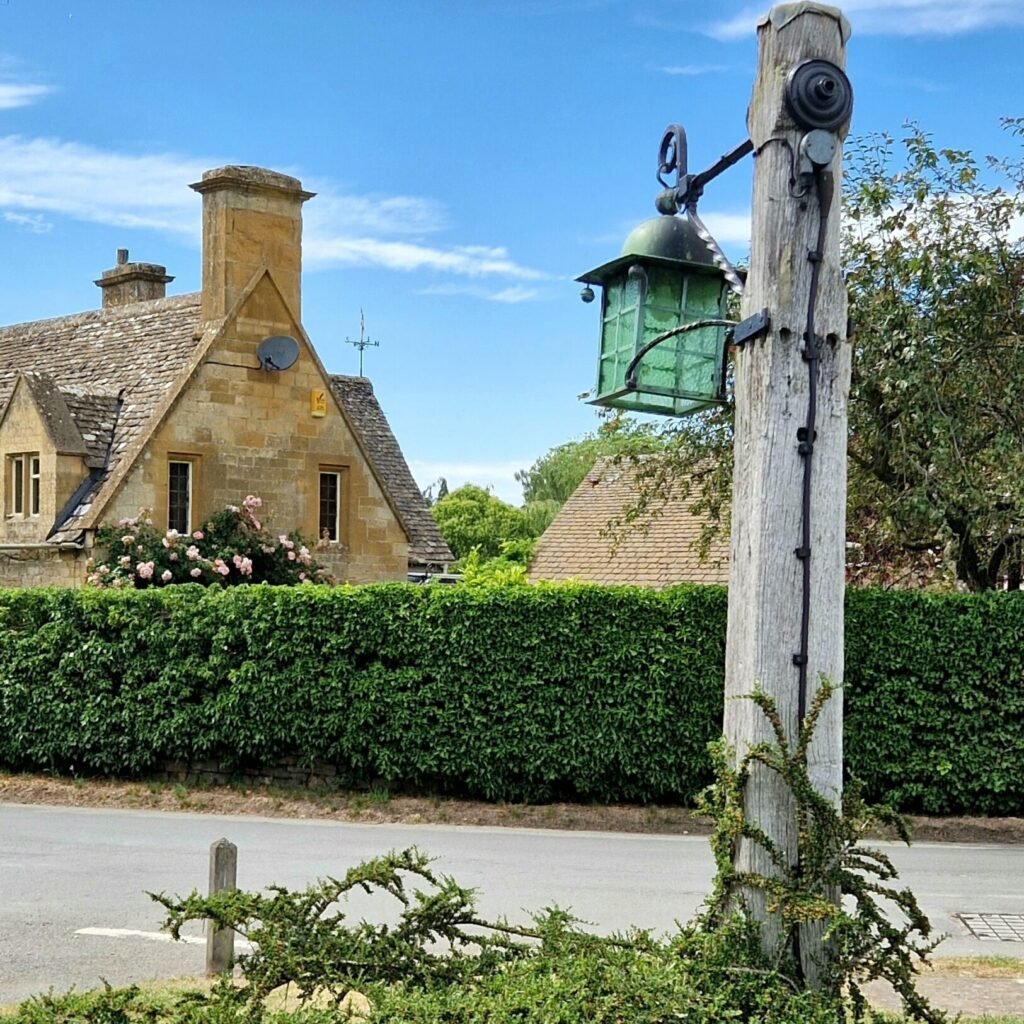
As you wander through the village, you’ll notice one of its most distinctive features: elegant wooden lamp posts, known as Stott Lamps, instead of conventional street lights. Sir Philip had them installed and even powered them using his own generator. Another bonus is the large free car park, making Stanton an easy place to explore at your own pace.
2. Wander through the village of Ebrington (near Chipping Campden)
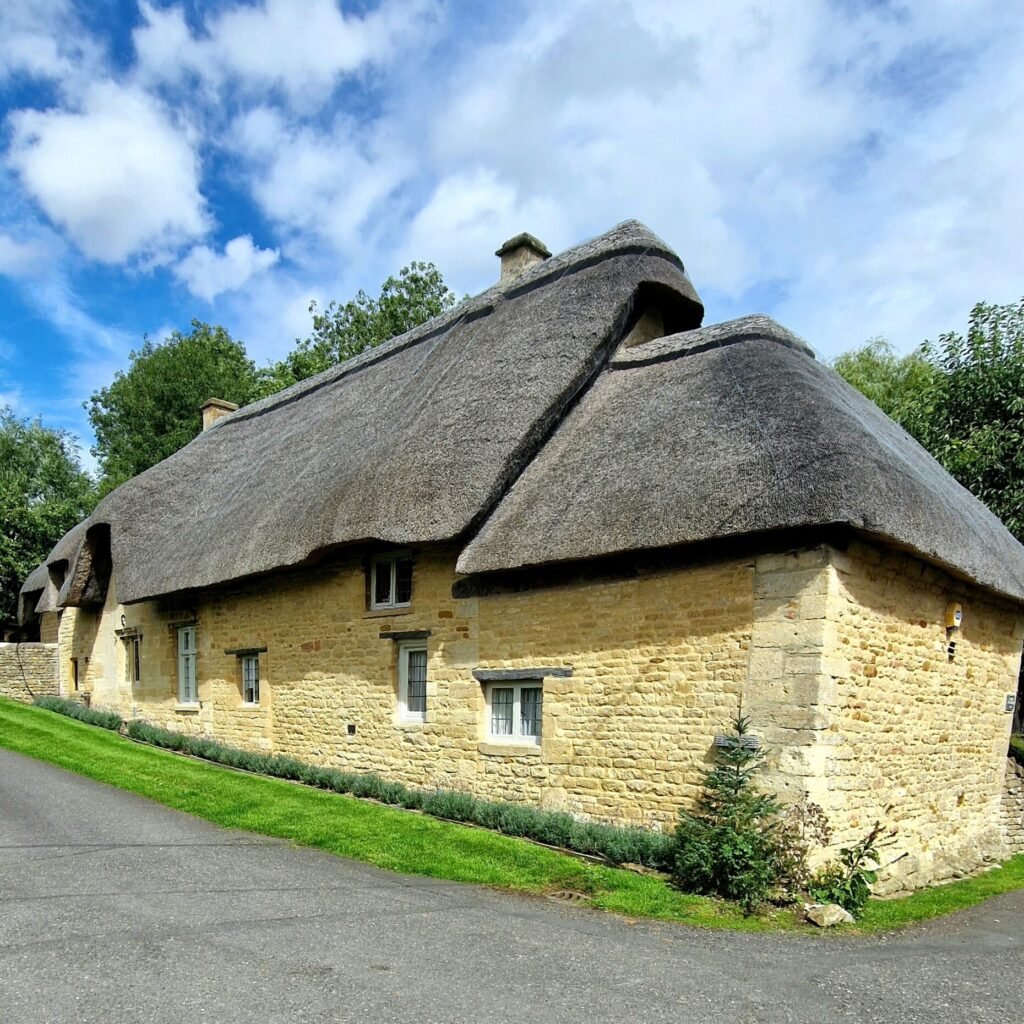
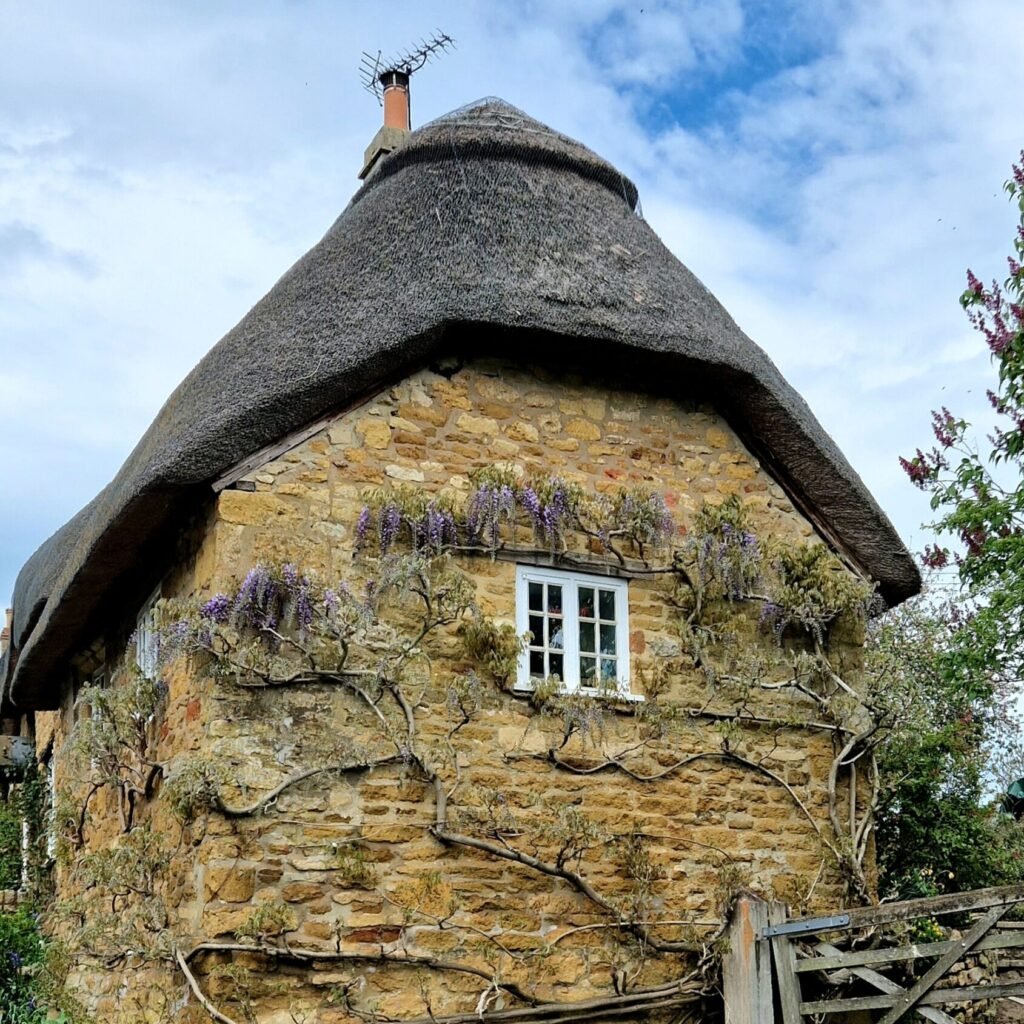
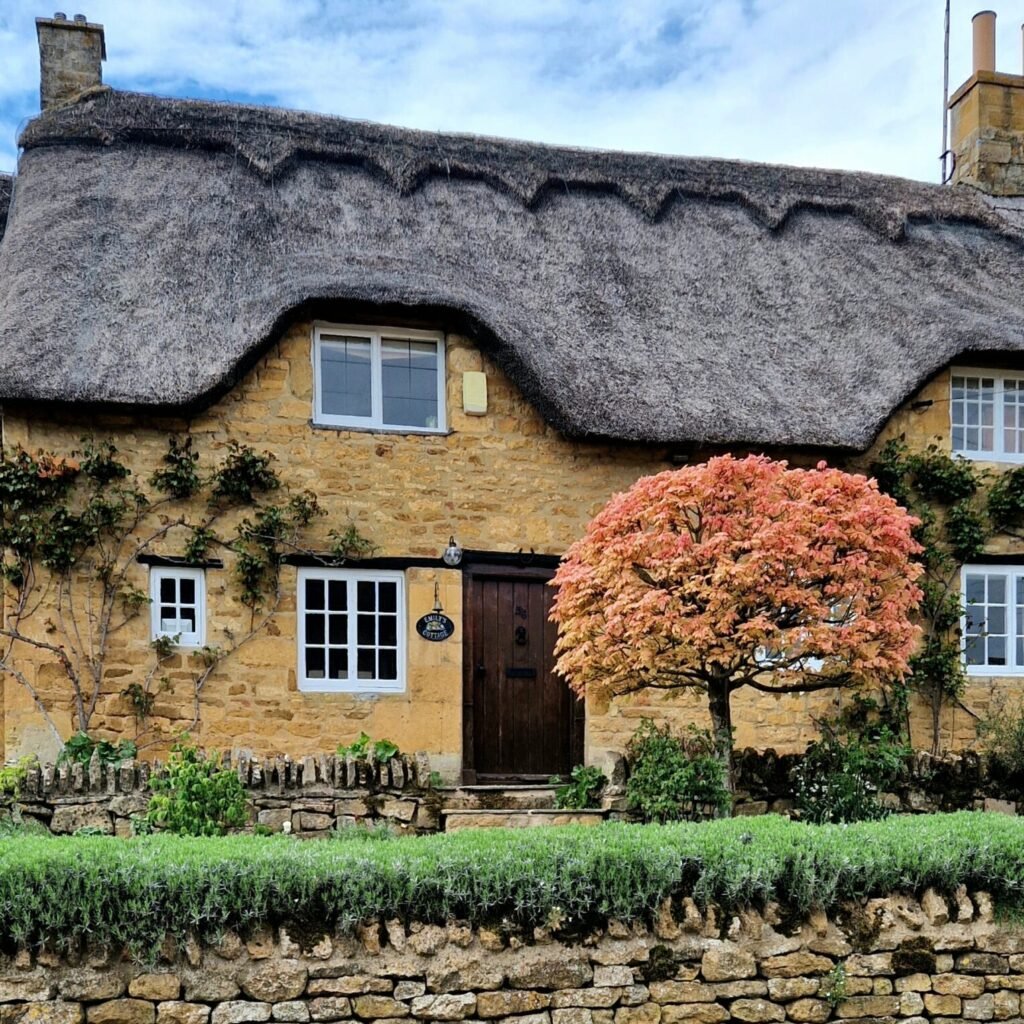
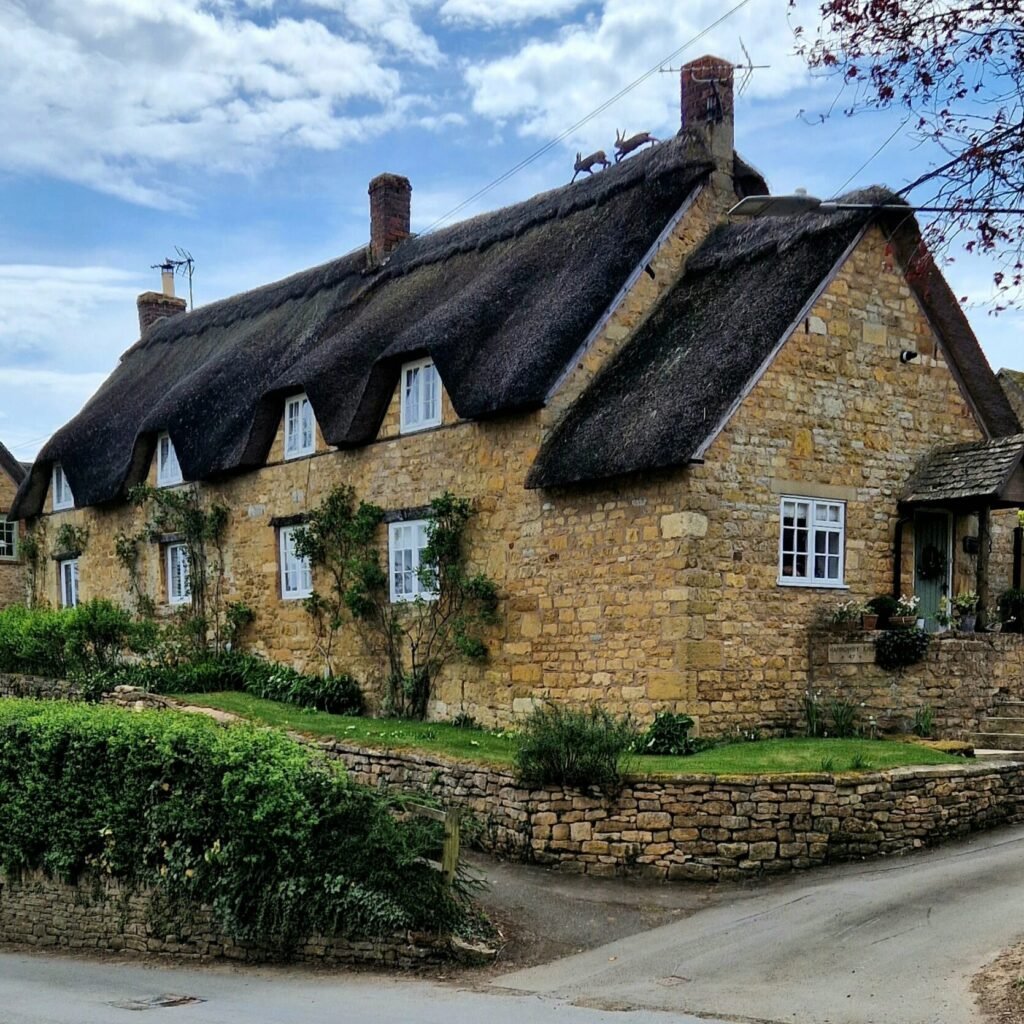
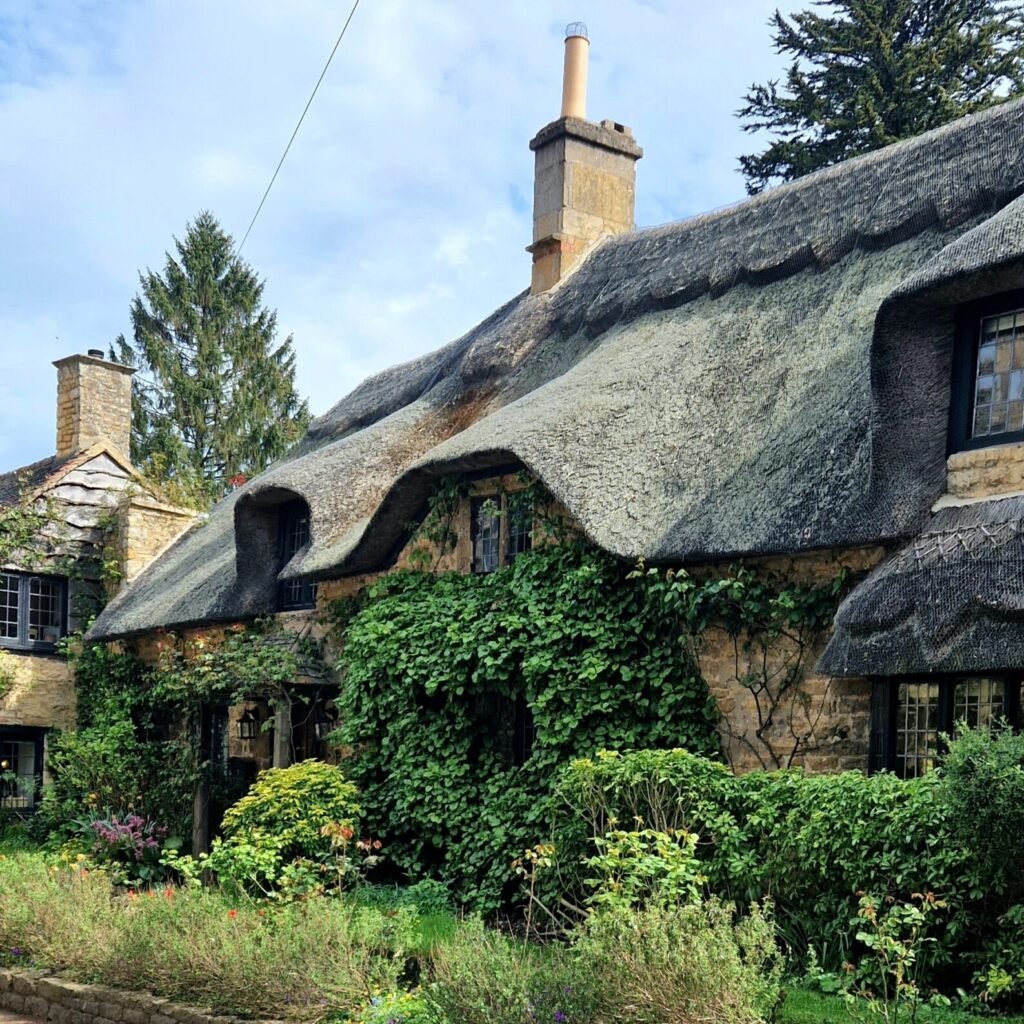
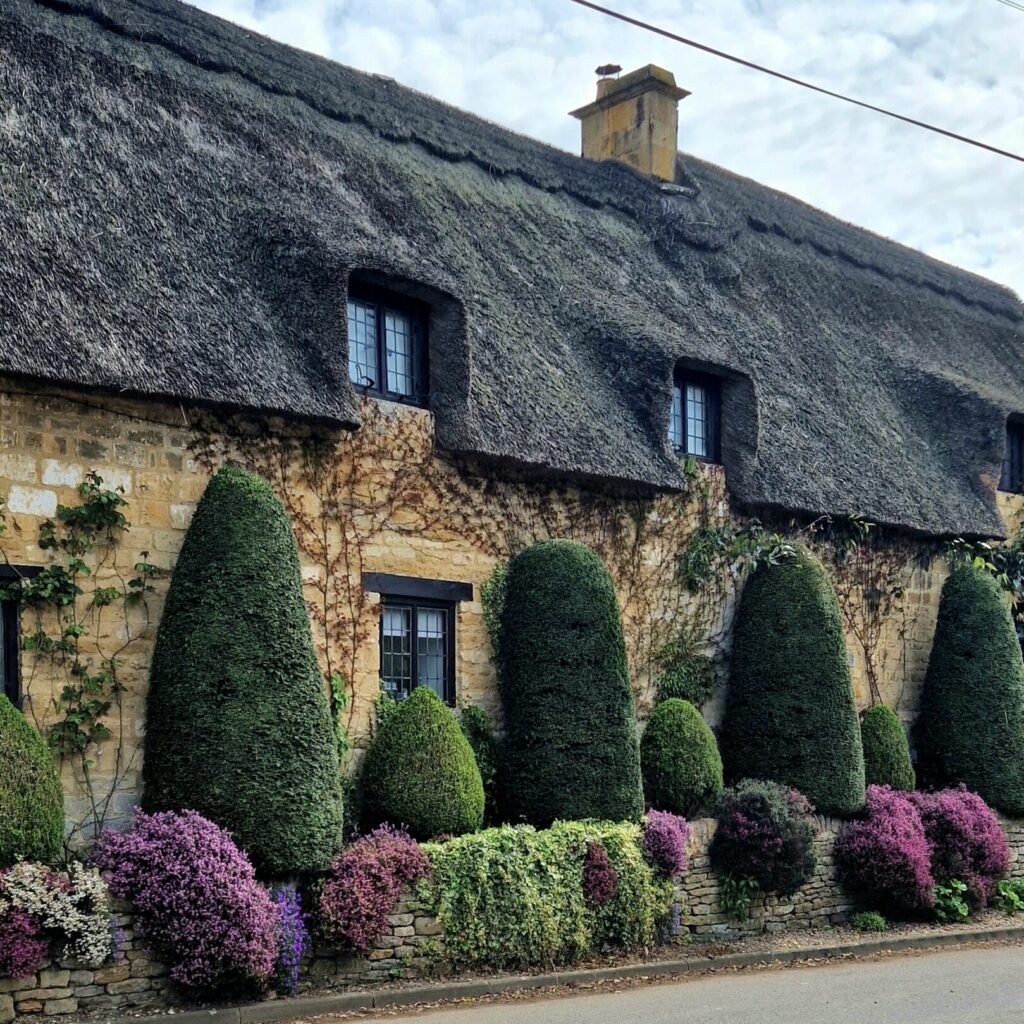
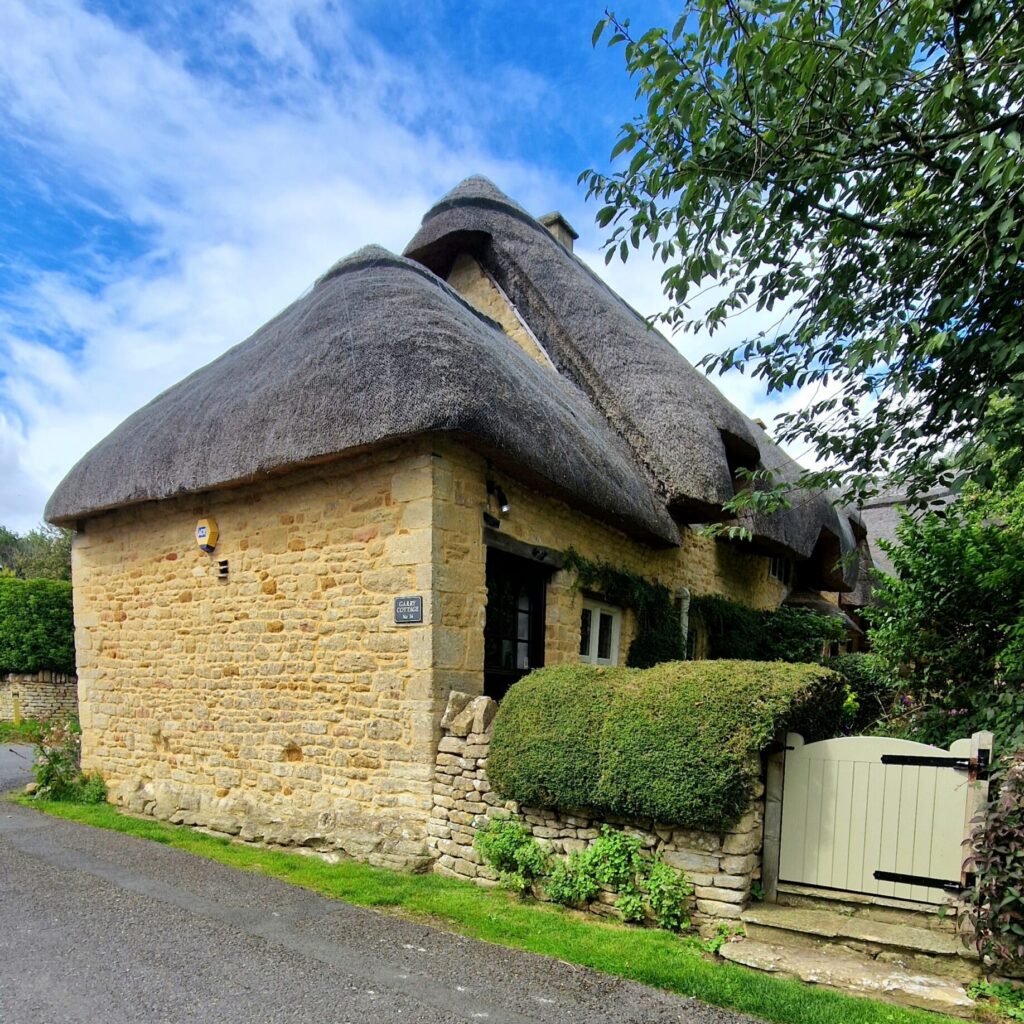
Ebrington is a small, picturesque village just two miles from Chipping Campden. Interestingly, locals pronounce its name as Yubberton. With its narrow lanes, quaint streets, charming thatched cottages built from honey-coloured Cotswold stone, and timeless atmosphere, it’s easy to see why visitors fall in love with this peaceful corner of the Cotswolds.
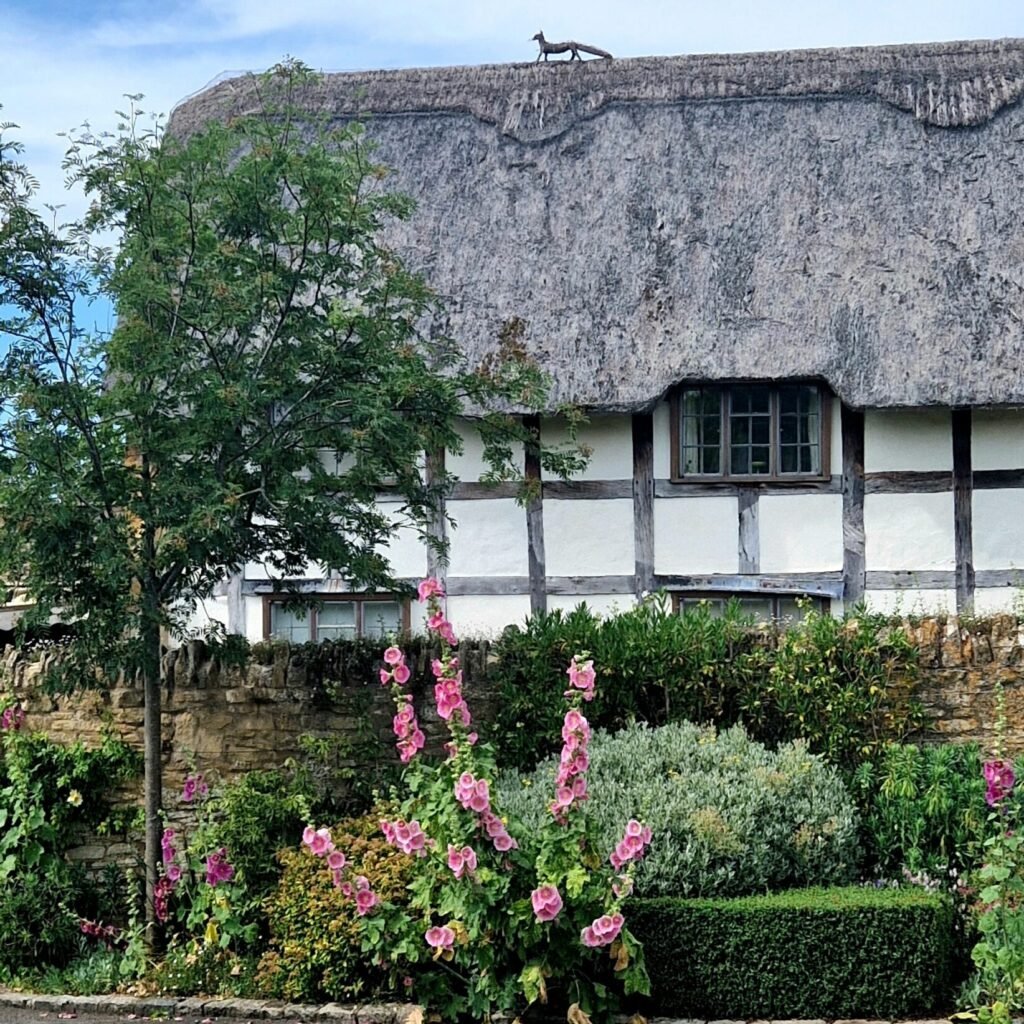
Village of Ebrington
Village of Ebrington
Village of Ebrington
Village of Ebrington
Ebrington Manor has a close connection with Sir John Fortescue, Chief Justice to Henry VI. After retiring, he made Ebrington Manor his principal residence, where he spent his final years and died in 1479 at the remarkable age of 90. Inside the village church, you can still see a memorial dedicated to Sir John Fortescue.
At the heart of the village is the award-winning Ebrington Arms, a much-loved country pub that has been at the centre of village life for more than three centuries. Just outside the village lies the National Trust’s Hidcote Manor Garden, one of the finest and most celebrated Arts and Crafts gardens in the Cotswolds.
3. Discover the village of Broad Campden (near Chipping Campden)
Just a few minutes’ walk from its larger and more famous neighbour, Chipping Campden, Broad Campden is a small Cotswold village with a population of fewer than 100 people. Despite its size, it has a peaceful charm all of its own and is well worth a visit.
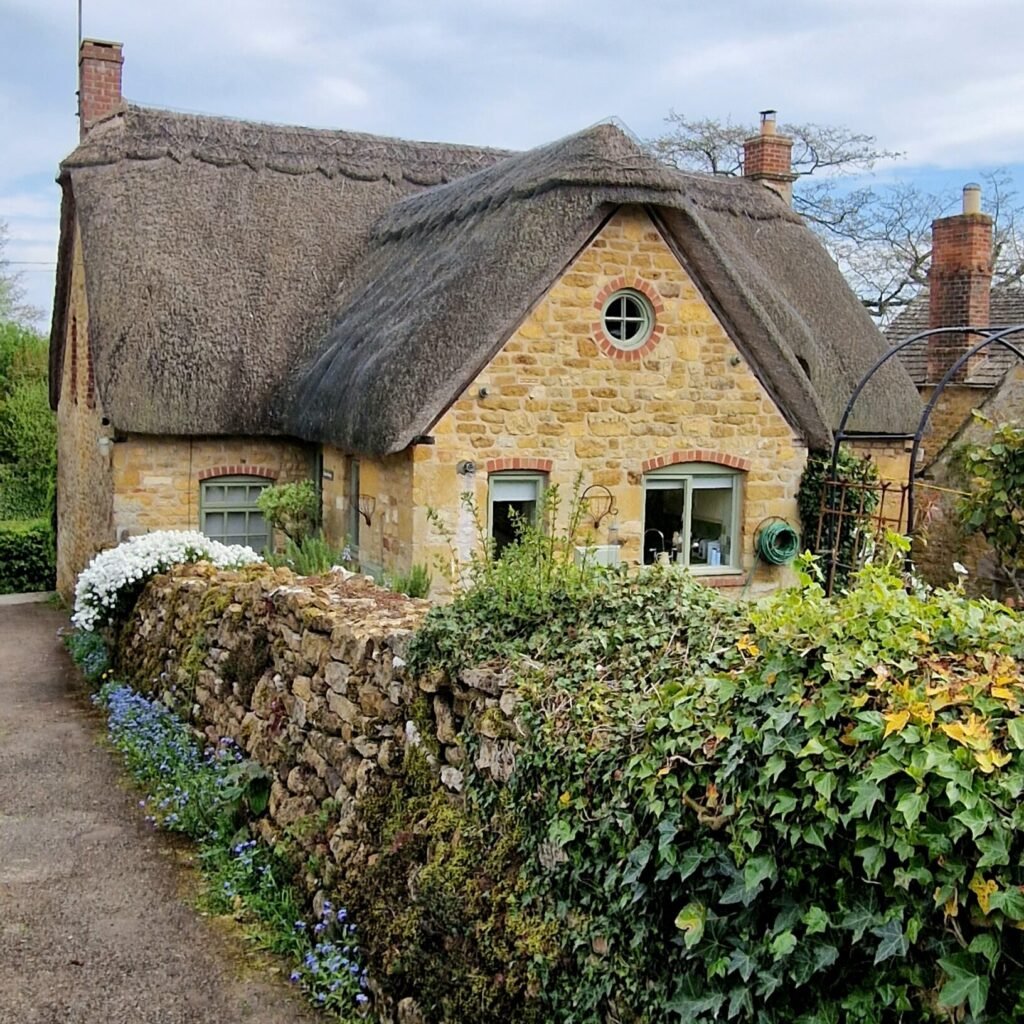
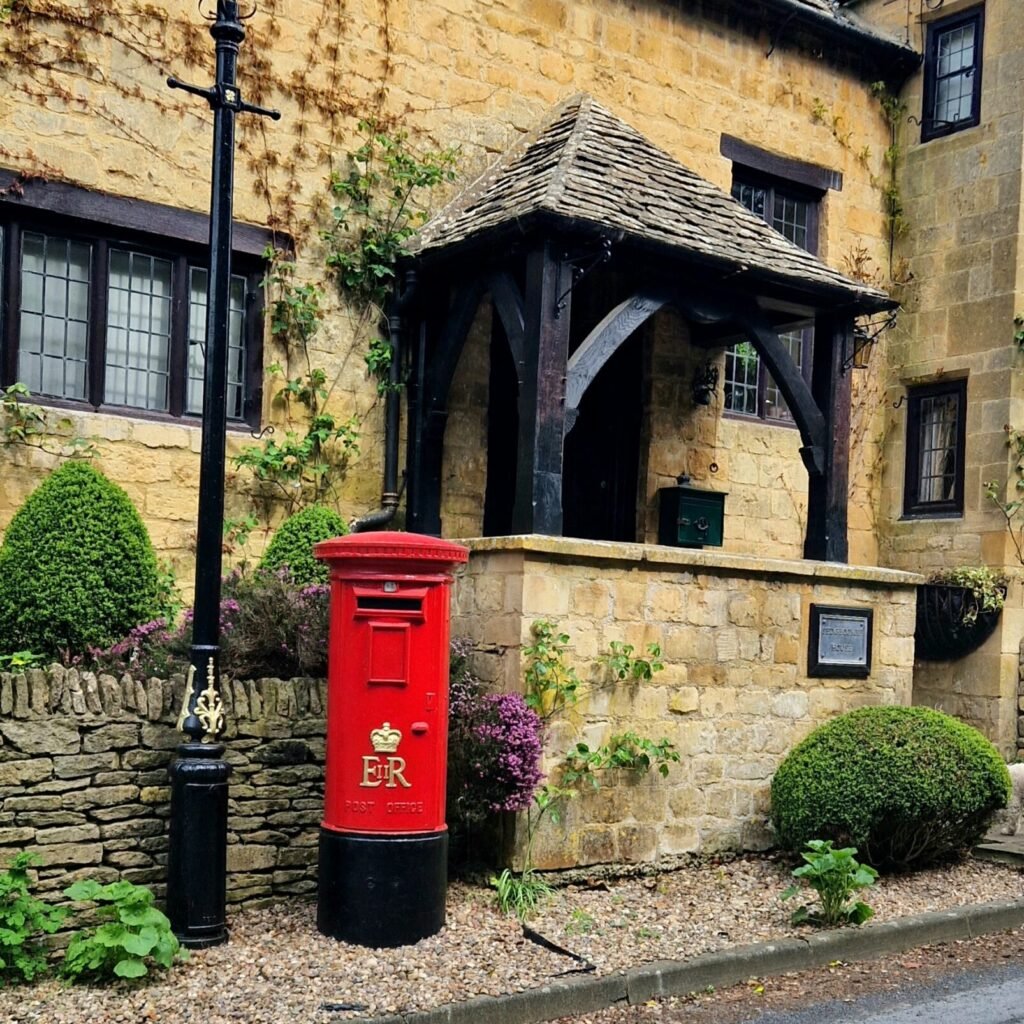
Although often overshadowed by its better-known neighbour, Broad Campden is one of those places that quietly captures your heart. Honey-coloured Cotswold stone cottages, many topped with traditional thatched roofs, line the winding lanes, creating a picture-perfect village that feels wonderfully untouched by time.
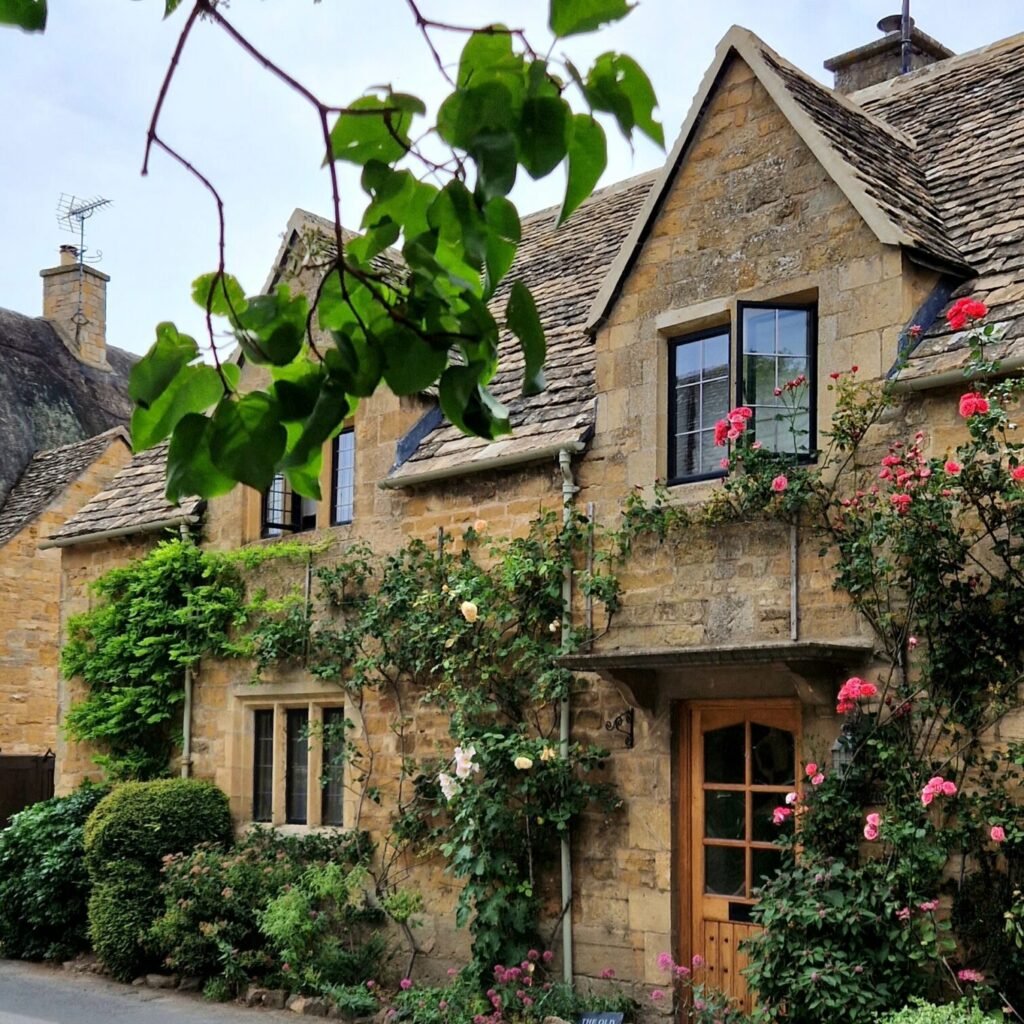
Village of Broad Campden
Village of Broad Campden
Village of Broad Campden
Village of Broad Campden
The village also has strong links to the Arts and Crafts movement. The British architect and designer Charles Ashbee, a pioneer of the movement and a follower of William Morris, lived here for a time, and his influence can still be seen as you wander around the village. Broad Campden is also home to a rare 17th-century Friends Meeting House. Dating from 1663, it is believed to be the oldest Quaker Meeting House in the country still in use.
4. Enjoy the hidden village of Taynton (near Burford)
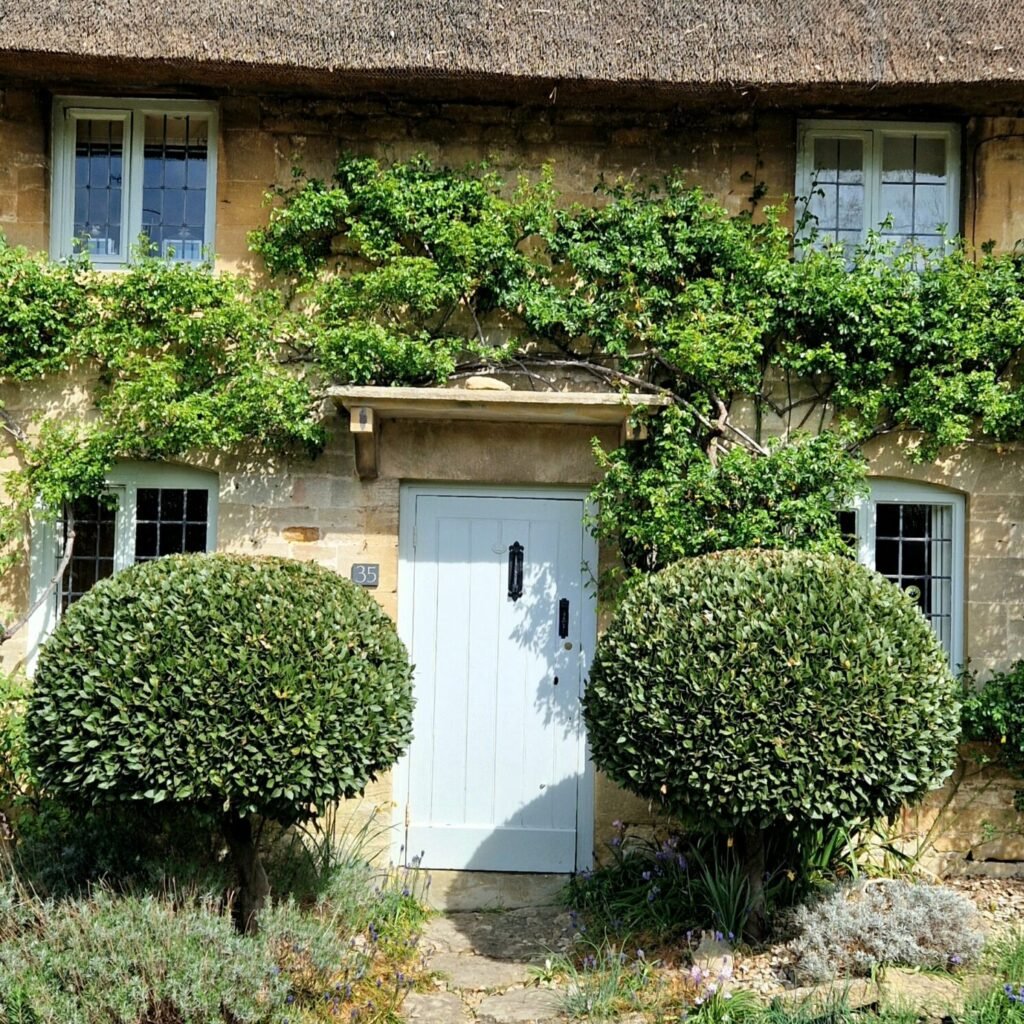
Just a mile and a half from Burford, Taynton is one of those hidden Cotswold villages that feels wonderfully untouched by time. It isn’t flashy or touristy, and that’s exactly what makes it so special. While you won’t find the cafés and shops of some of the larger Cotswold villages, Taynton offers something even more valuable – peace, tranquillity, and the chance to slow down and enjoy the beauty of the English countryside at its purest.
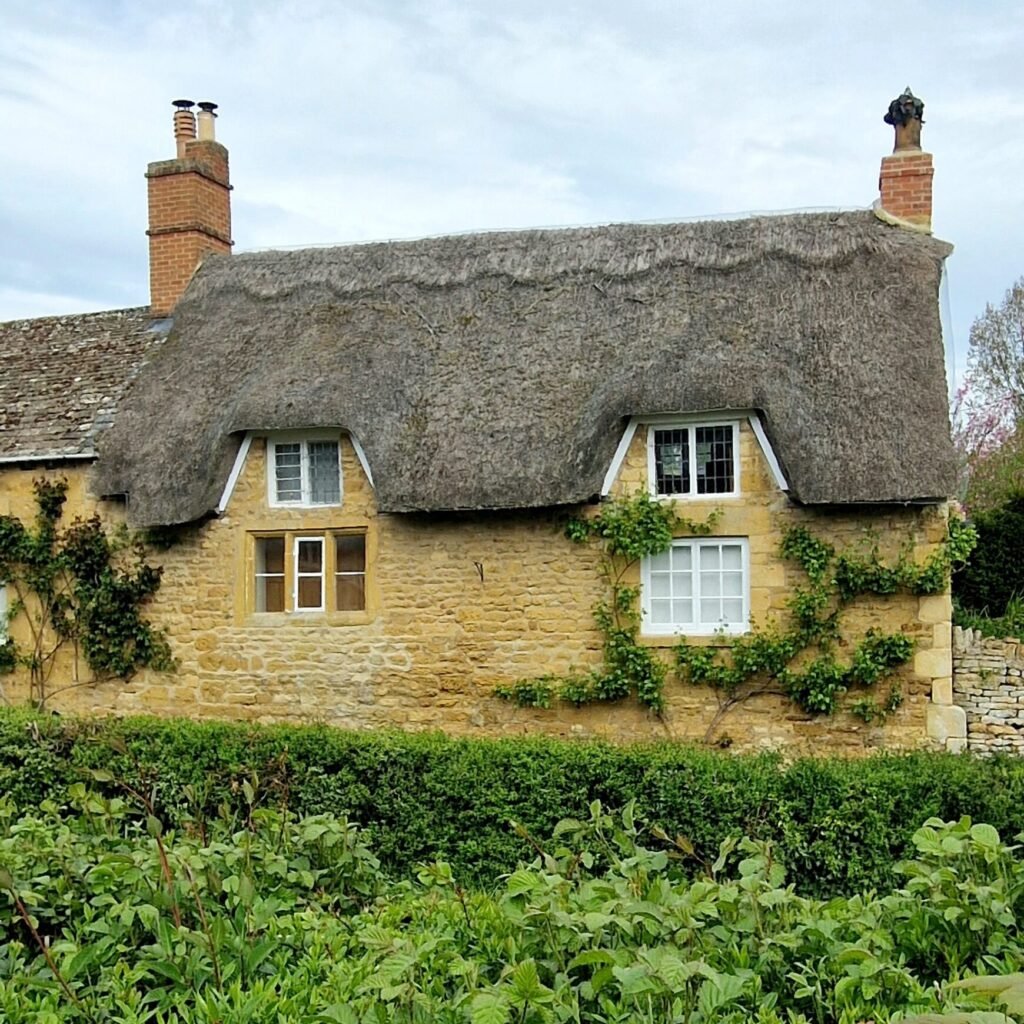
Village of Taynton
Village of Taynton
Village of Taynton
Village of Taynton
The village is also renowned for its historic stone quarries. Taynton limestone has been used in many of England’s most important buildings for centuries. The earliest recorded use of Taynton stone dates back to 1310, when it was used in the construction of Merton College, Oxford. Over the years, it has also supplied stone for many of the older colleges of the University of Oxford, Windsor Castle, Old St Paul’s Cathedral, and, in the early 18th century, parts of Blenheim Palace.
Taynton stone is a high-quality freestone, prized for its strength and ease of carving, making it ideal for both decorative work and finely cut ashlar masonry. Its exceptional quality has ensured its place in some of the country’s most iconic historic buildings, leaving a lasting legacy that stretches far beyond this quiet Cotswold village.
These hidden Cotswold villages prove that some of the Cotswolds’ most memorable places are often the ones you’ll find away from the crowds.