10 Dog-friendly Historic Places to Visit During Heritage Open Days
Heritage Open Days is an annual event taking place fromFriday 11th to Sunday 20th September 2026 across England. During this special event, lots of historic places open their doors for free, giving visitors the opportunity to discover more about the country’s history and culture. You can enjoy guided walks, talks and free access to historic properties, many of which are dog-friendly.
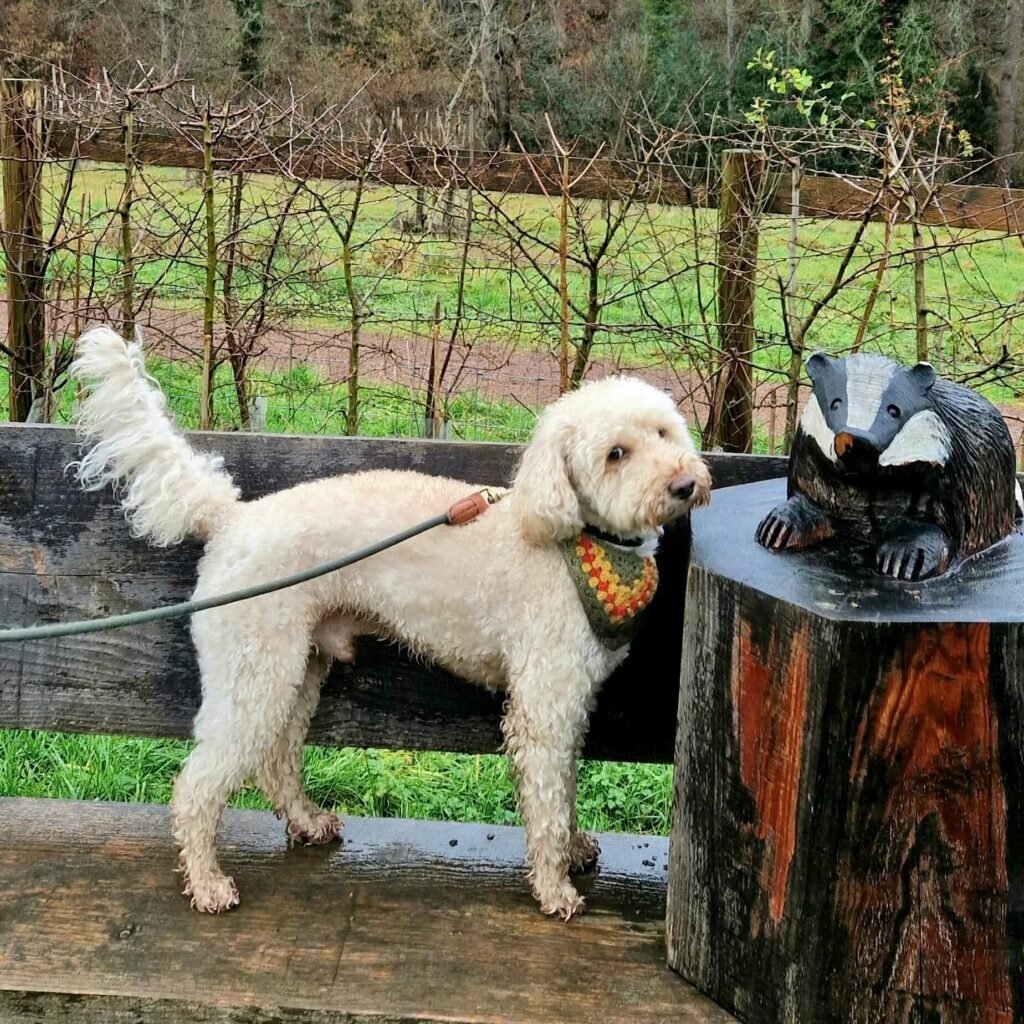
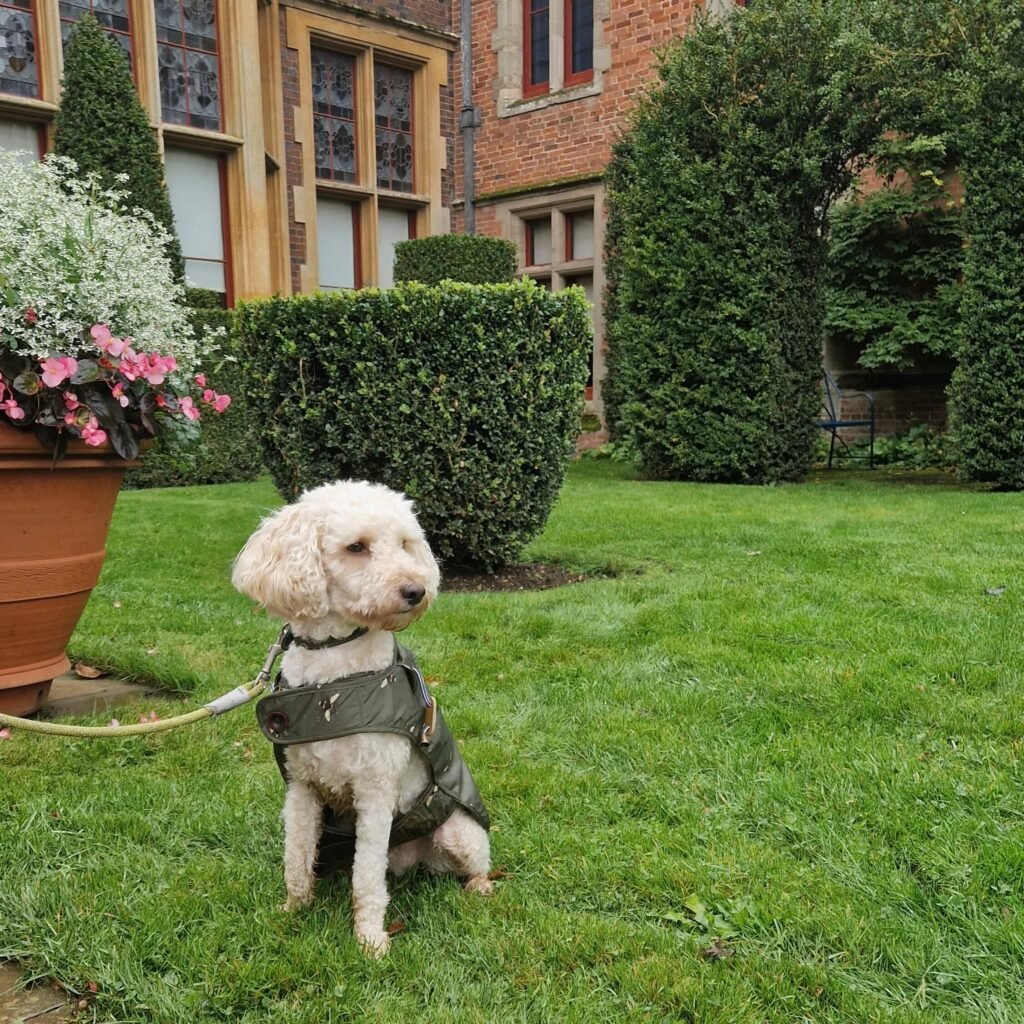
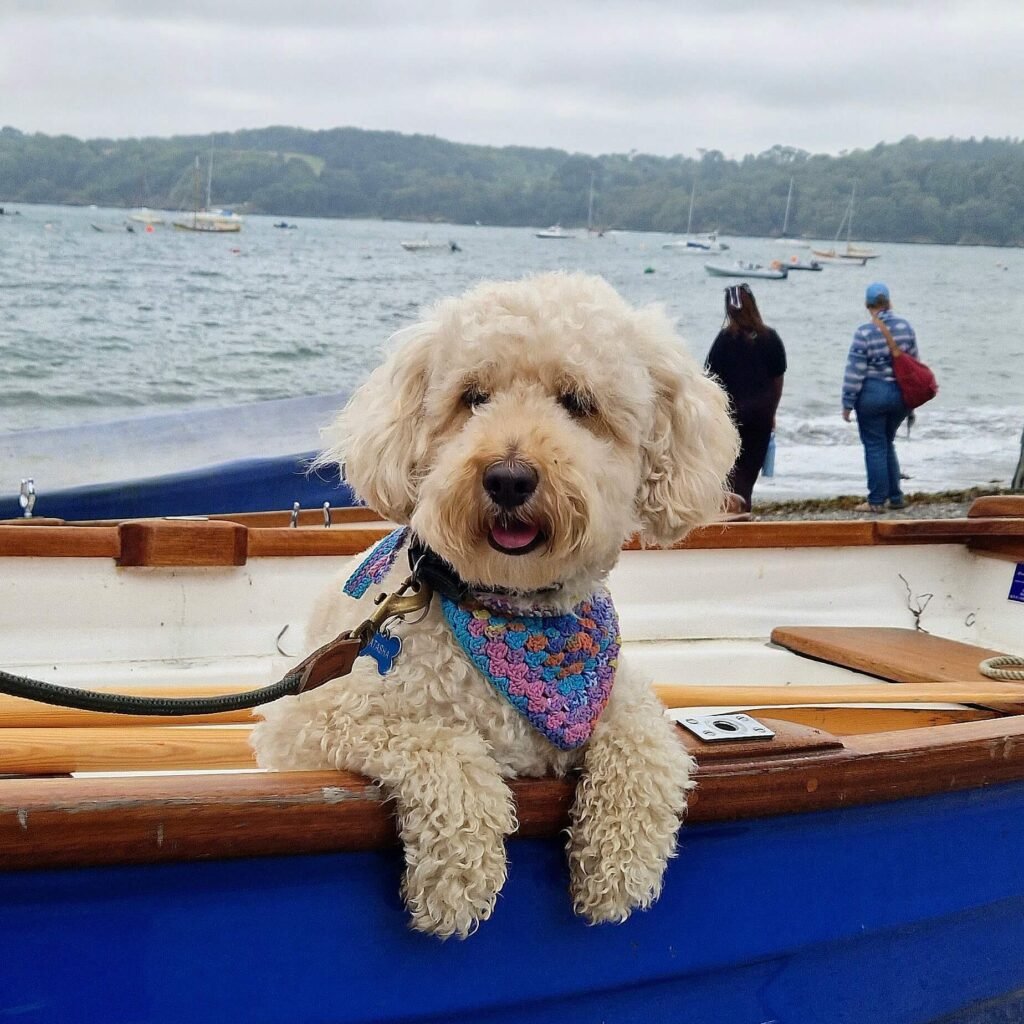
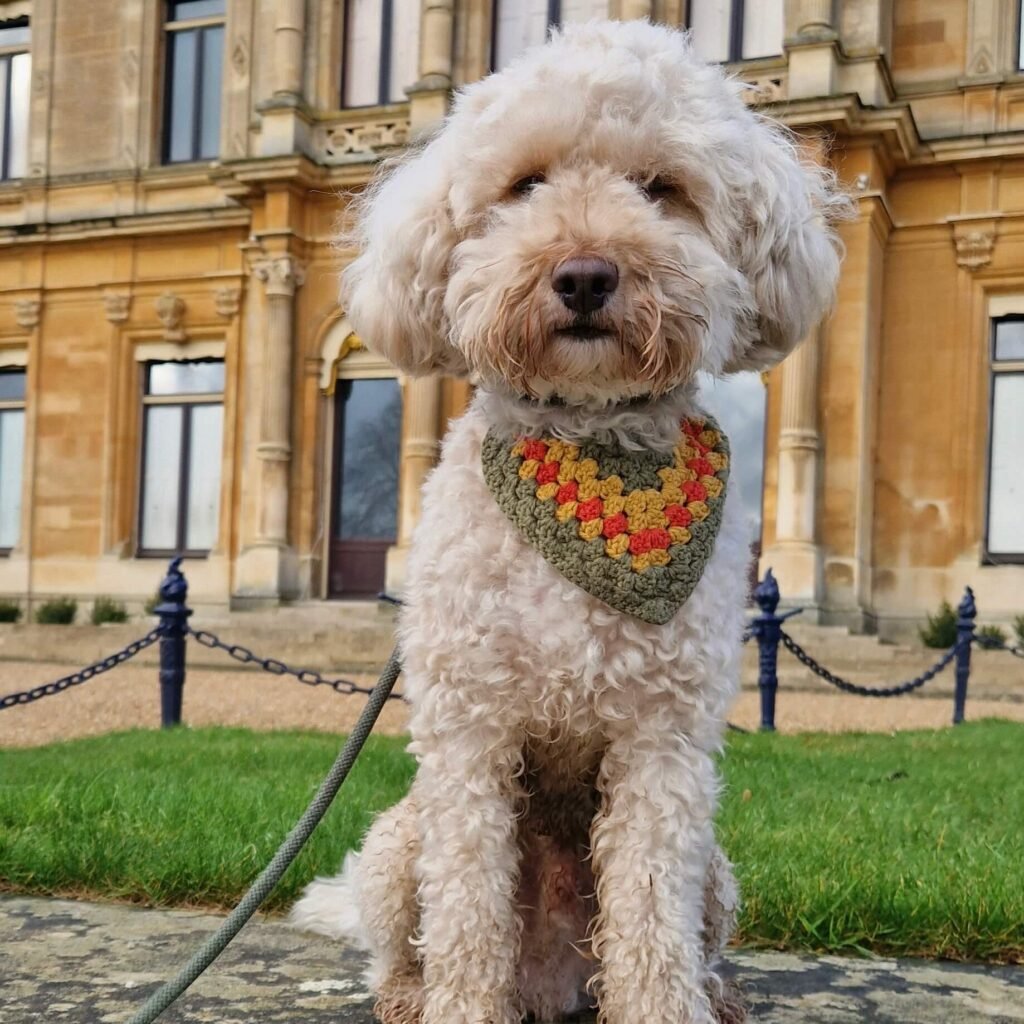
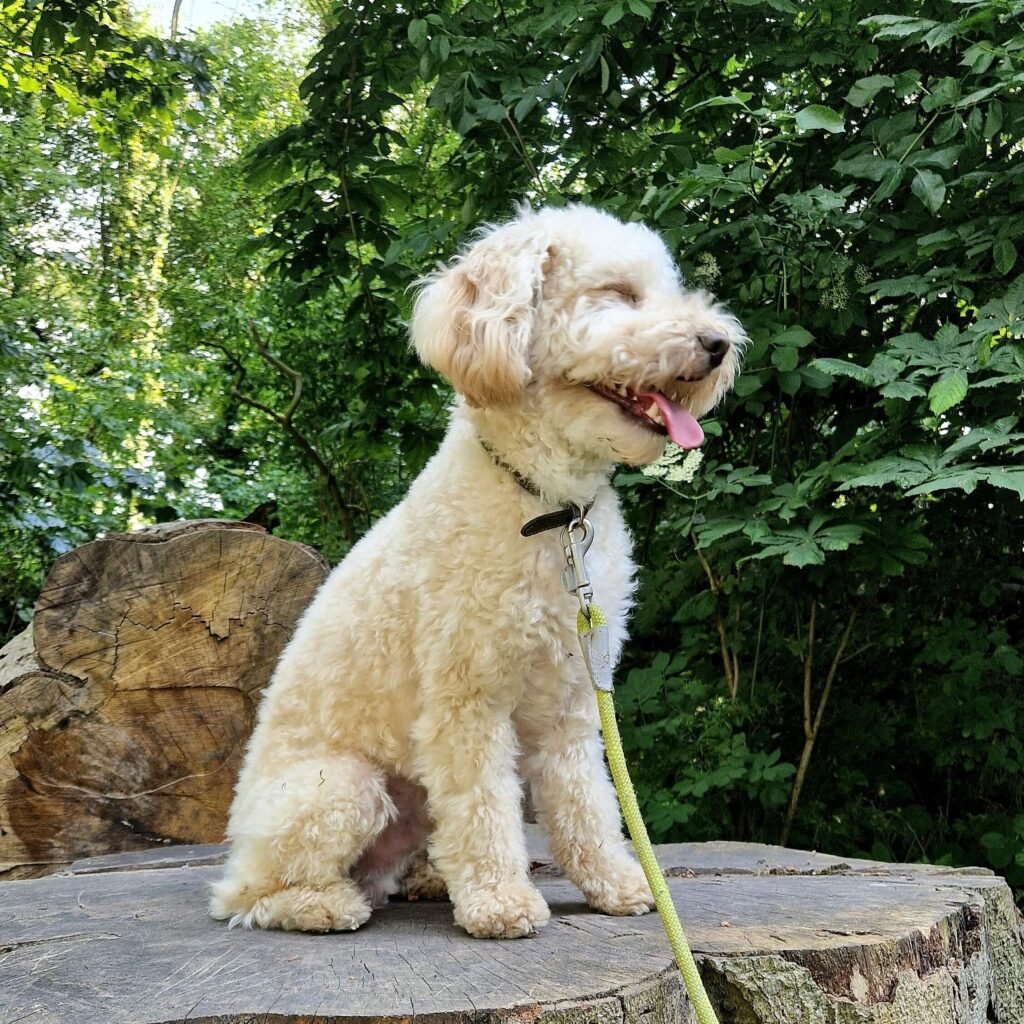
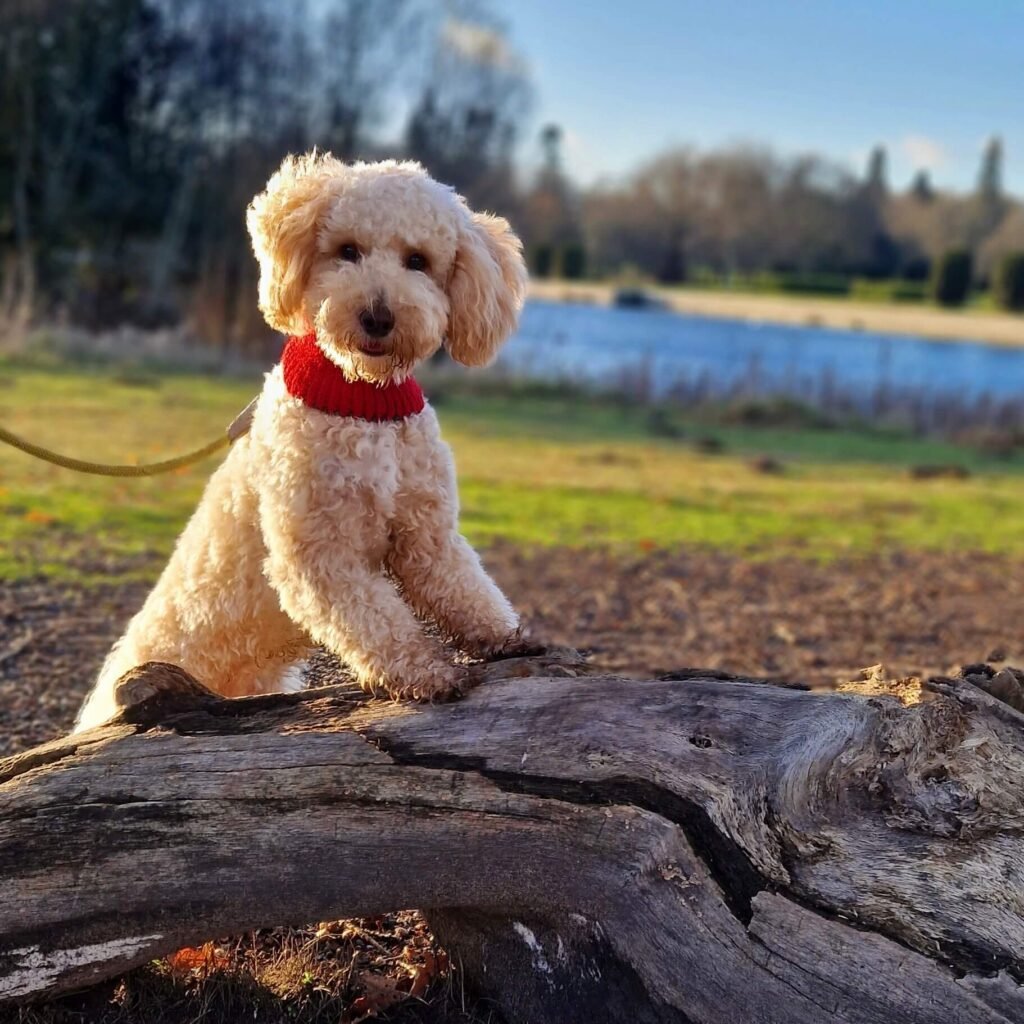
We’ve rounded up 10 of our favourite dog-friendly historic places that we’ve visited with our Cockapoo, Winnie, over the last couple of years. There are fascinating stories behind each of these properties, and we hope you’ll enjoy discovering them too. And the best part? They’re free to visit this September!
1. Brockhampton Estate in Herefordshire, WR6 5TB.
Free entry: 12 September 2026, 10:00–17:00.
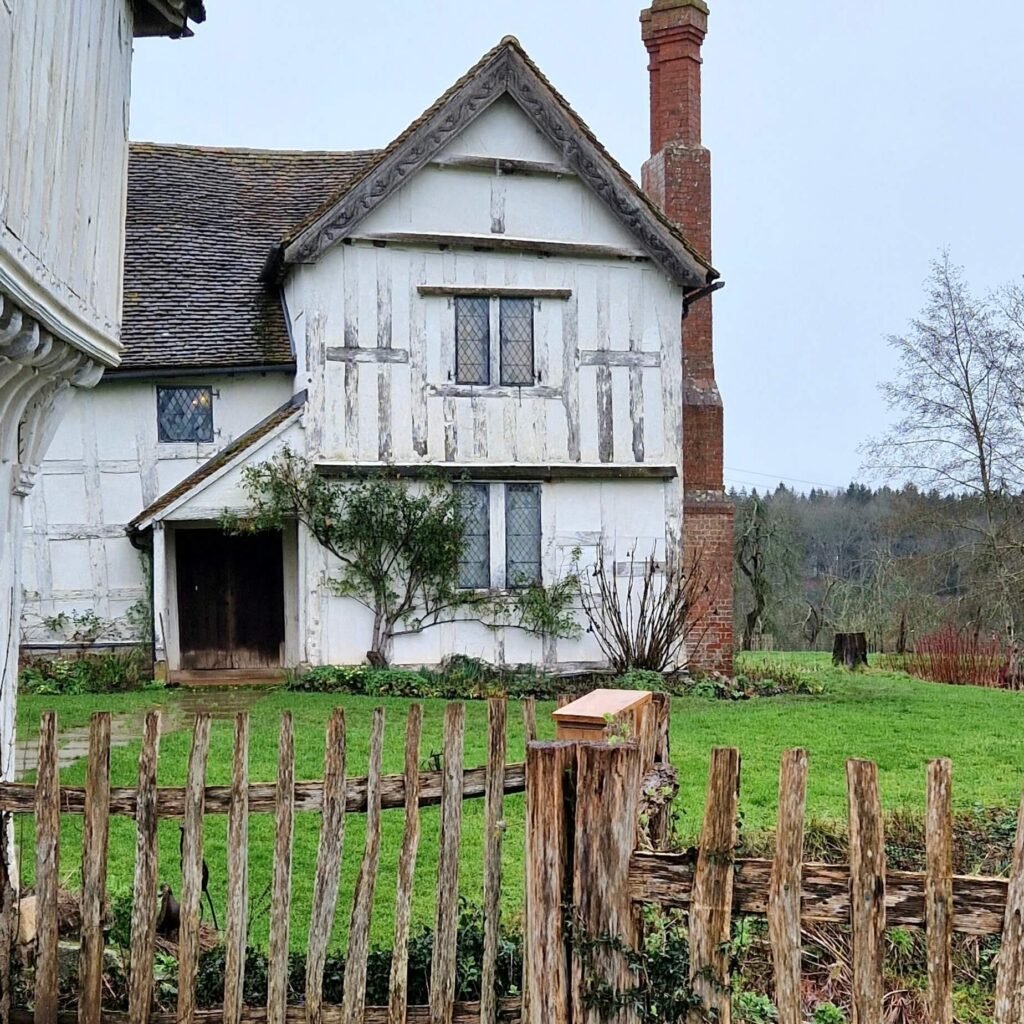
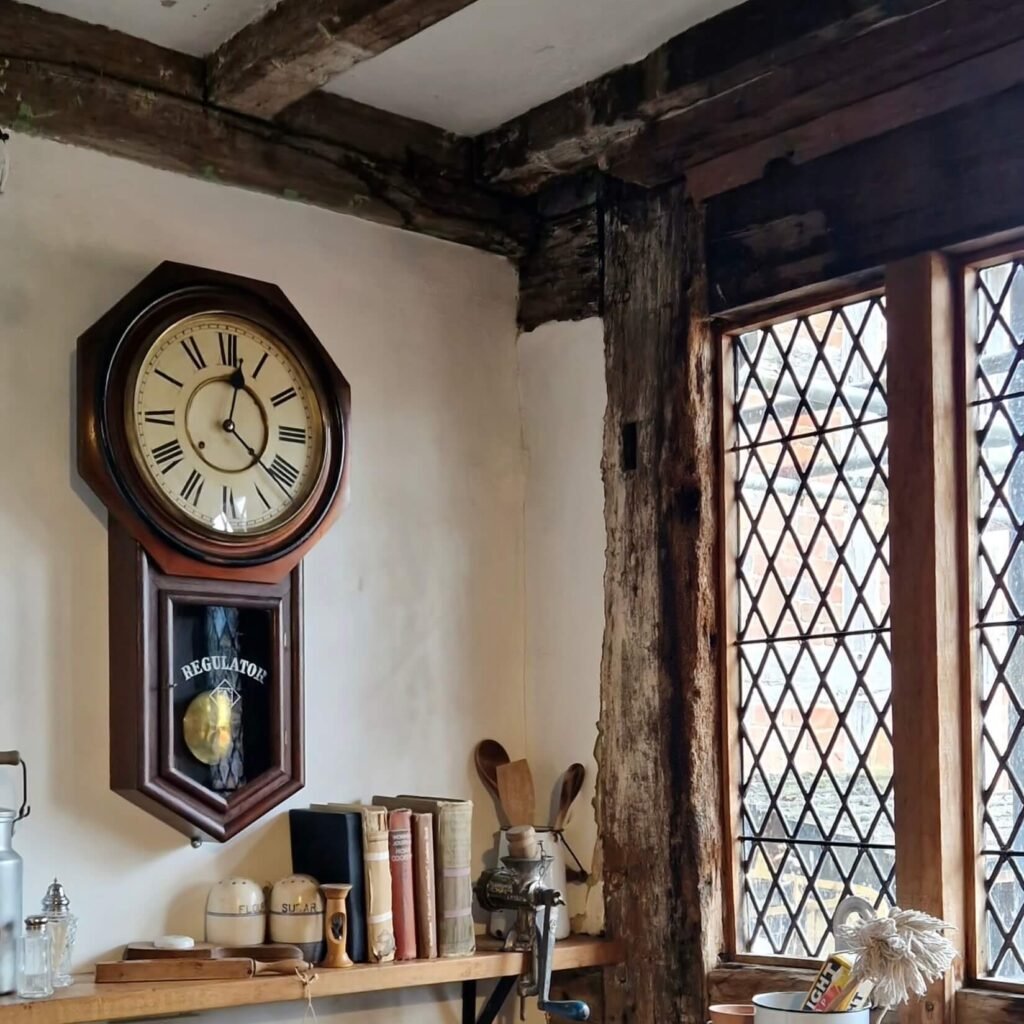
At the heart of the estate stands Lower Brockhampton, a striking timber-framed manor house dating back to the 14th century. There is something quite remarkable about stepping into a home that has stood for around 600 years. As you wander through its rooms, you almost feel as though the owners have simply stepped out for the afternoon and will return shortly for tea.
Brockhampton is home to the National Trust’s largest orchard, covering 21 acres, and there are miles of walks through orchards, parkland and woodland – ideal for those visiting with dogs. In fact, the entire estate extends to around 1,700 acres, encompassing wooded valleys, streams and open countryside that changes beautifully with the seasons.
Dogs at Brockhampton: Dogs are very welcome in the parkland and orchards. Only assistance dogs are allowed inside Brockhampton Manor House.
2. Charlecote Park in Warwickshire, CV35 9ER.
Free entry: 18–19 September 2026, 09:00–17:00.
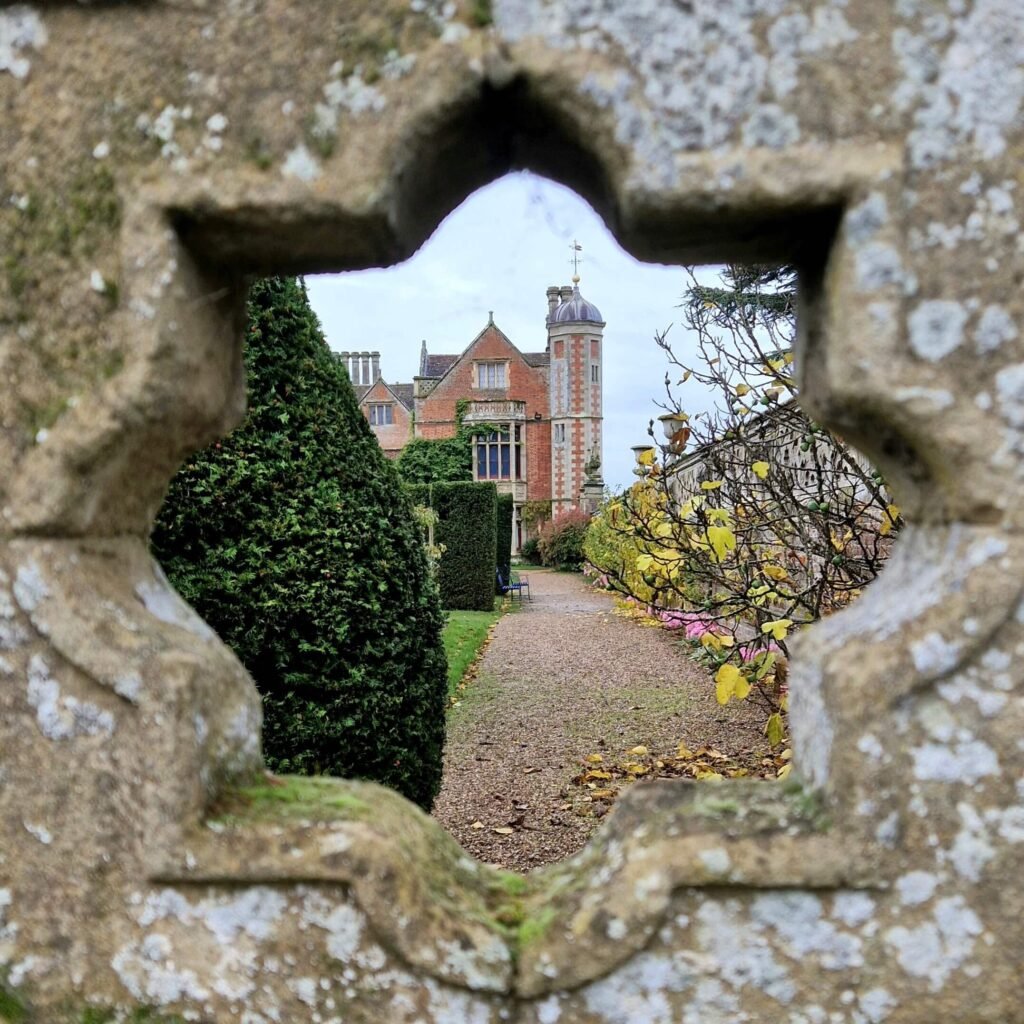
Impressive 16th-century Charlecote Park in Warwickshire has a fascinating story to tell. The story stretches back through generations of the Lucy family, who owned the estate from 1247. It is hard to believe, but Charlecote is still home to the Fairfax Lucy family today. Friendly volunteers will also tell you about the history of this special place – where Shakespeare is rumoured to have been caught poaching – and guide you through the site.
Charlecote Park covers around 185 acres and offers plenty of opportunities for dog walks. One of the main attractions is the landscaped deer park, where deer roam freely throughout the year. Today, around 200 deer can be seen in the parkland, sometimes hiding in the long grass.
Dogs at Charlecote: Dogs on short leads are welcome on the designated dog-walking route, as well as inside the Wood Yard Café and Orangery Restaurant.
3. Glendurgan Garden in Cornwall, TR11 5JZ.
Free entry: 11–19 September 2026, 10:30–17:00.
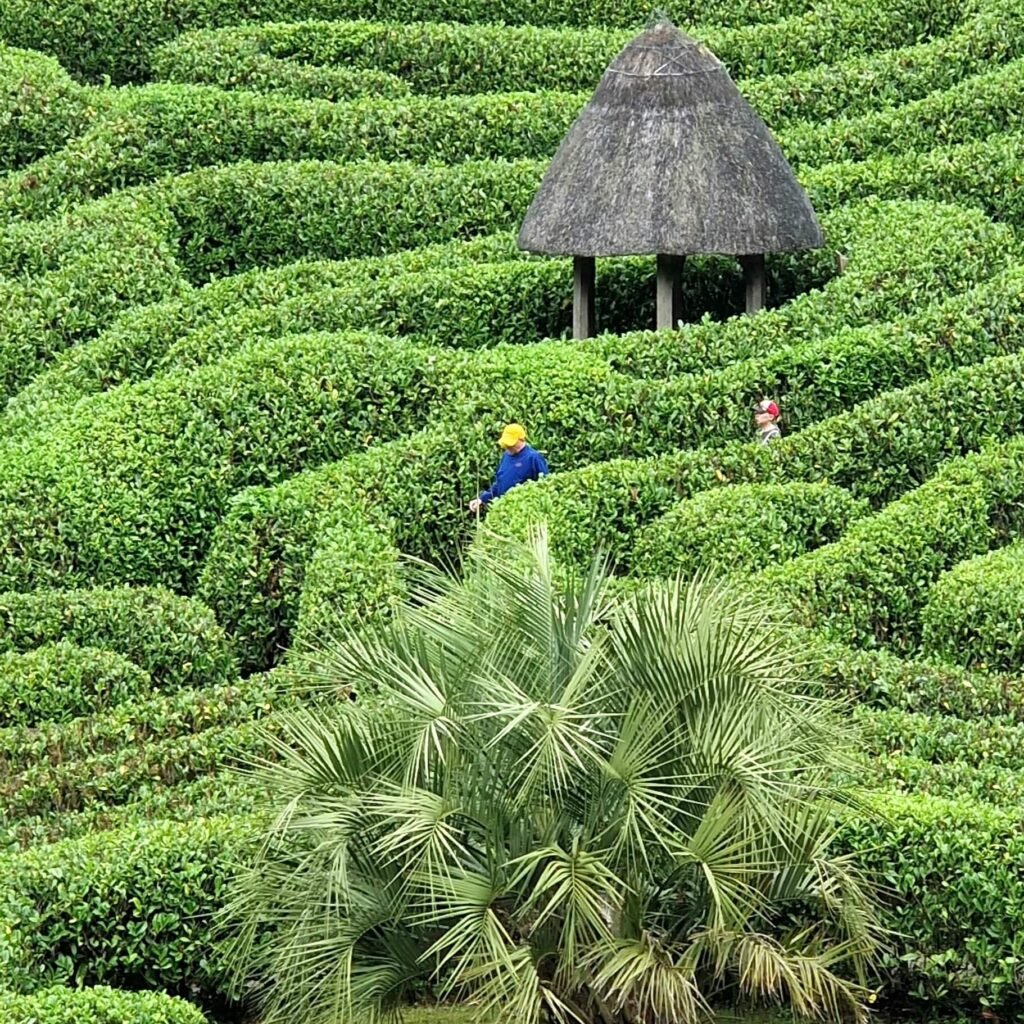
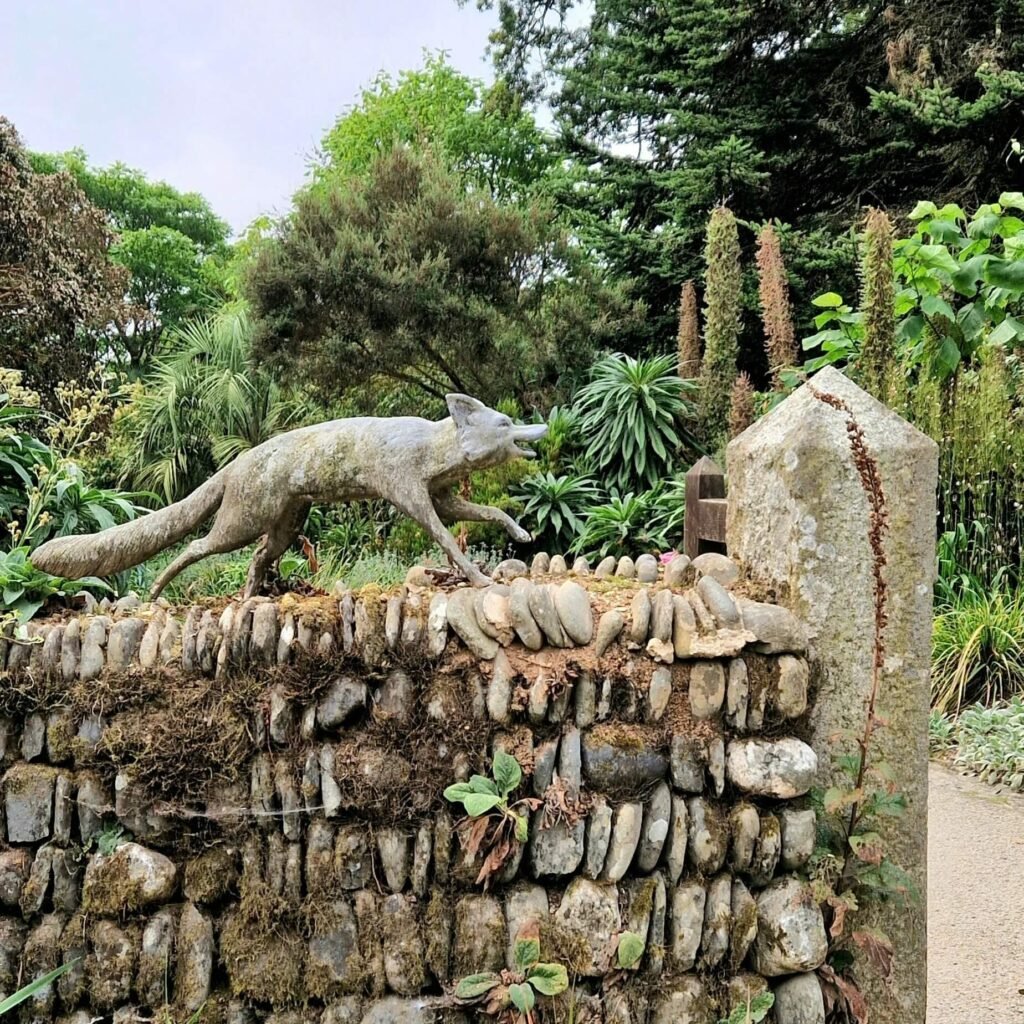
Originally created by the Fox family in the 1820s as a ‘small piece of heaven on earth’, Glendurgan Garden is designed to be both peaceful and playful. Meandering, informal paths lead visitors past a famous 200-year-old cherry laurel hedge maze and down to a sheltered, pebbled beach at the unspoilt hamlet of Durgan on the Helford River.
Dogs at Glendurgan: Dogs are welcome in the garden on short fixed leads. Assistance dogs only are allowed in the maze, orchard and Schoolroom.
4. Hughenden in Buckinghamshire, HP14 4LA
Free entry: 11–20 September 2026, 10:00–16:30.
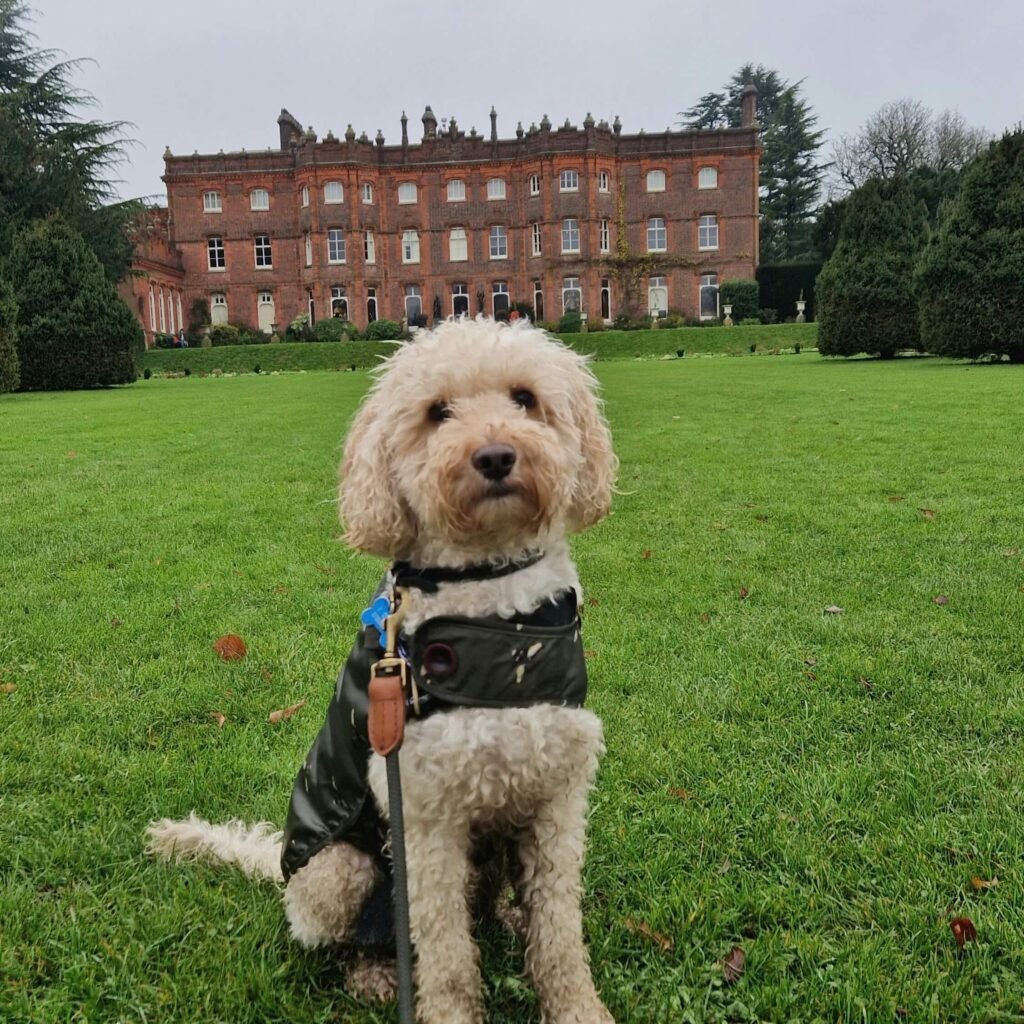
Dog-friendly Hughenden is well known as the country home of Prime Minister Benjamin Disraeli (1868; 1874–1880) and his wife, Mary Anne. Benjamin Disraeli is often described as ‘the most potent myth-maker in British history’ and was Queen Victoria’s favourite Prime Minister.
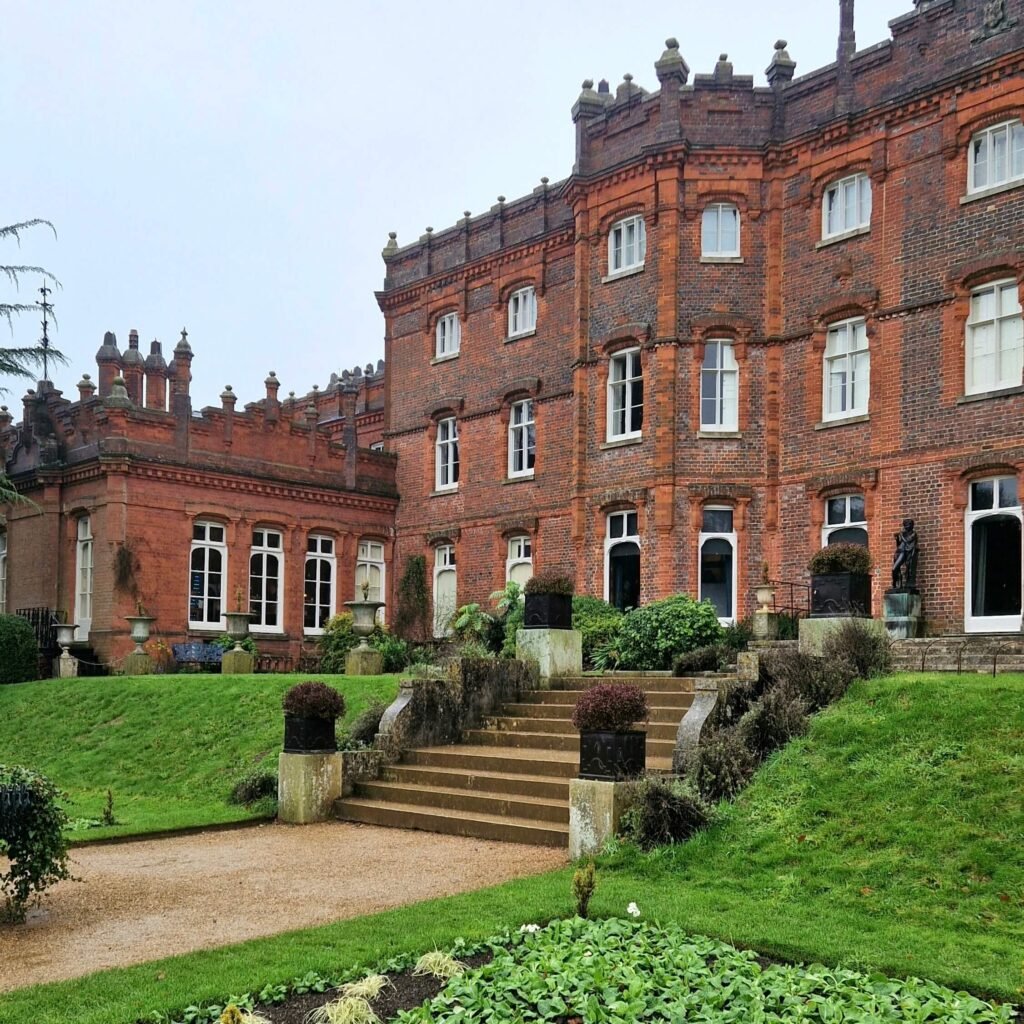
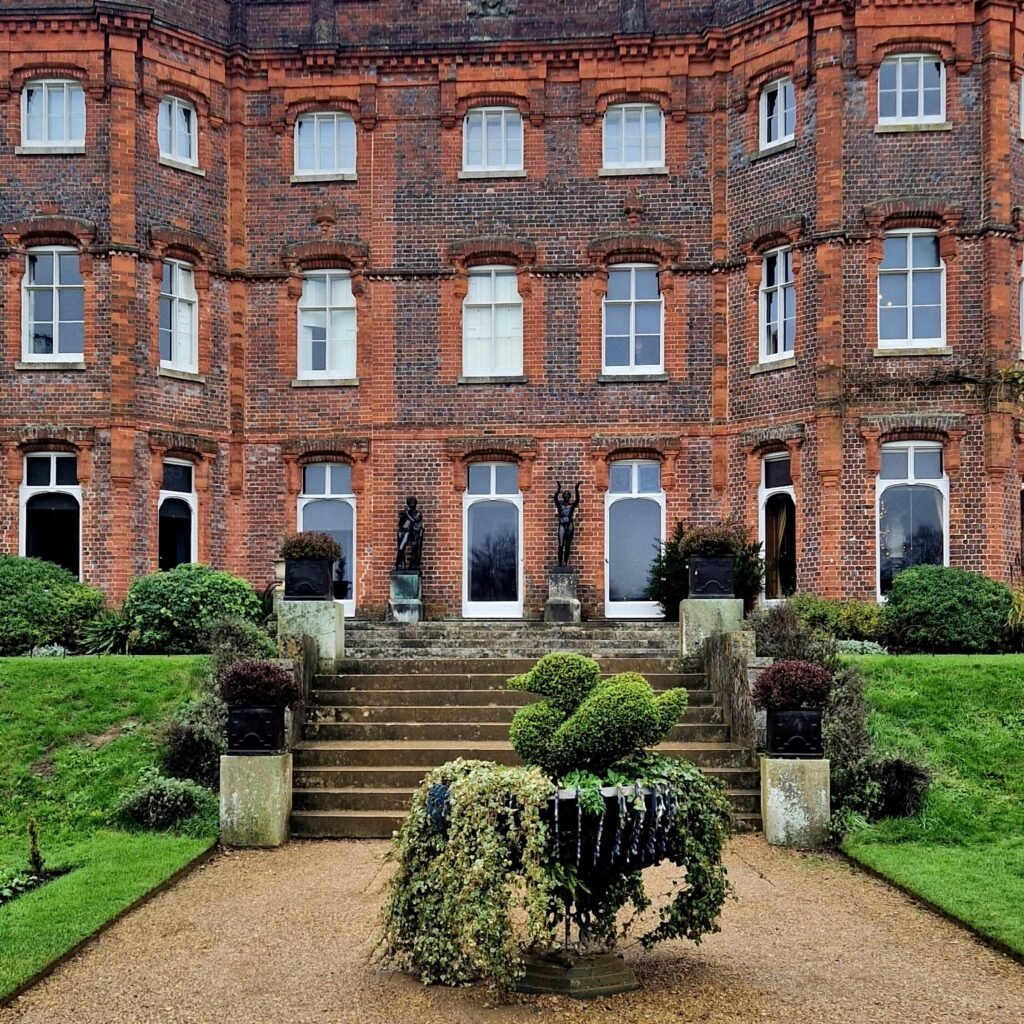
The Hughenden Estate is surrounded by extensive parkland. At the rear of the red-brick manor, you’ll find a picturesque Italianate-style garden with a terrace and Florentine vases. It is said that Disraeli enjoyed strolling in the garden and feeding his peacocks.
Dogs at Hughenden: Dogs on leads are allowed in the formal gardens, orchard, parkland and Stableyard Café. Only assistance dogs are allowed inside the house.
5. Stowe Gardens in Buckinghamshire, MK18 5EQ
Free entry: 11–20 September 2026, 10:00–17:00.
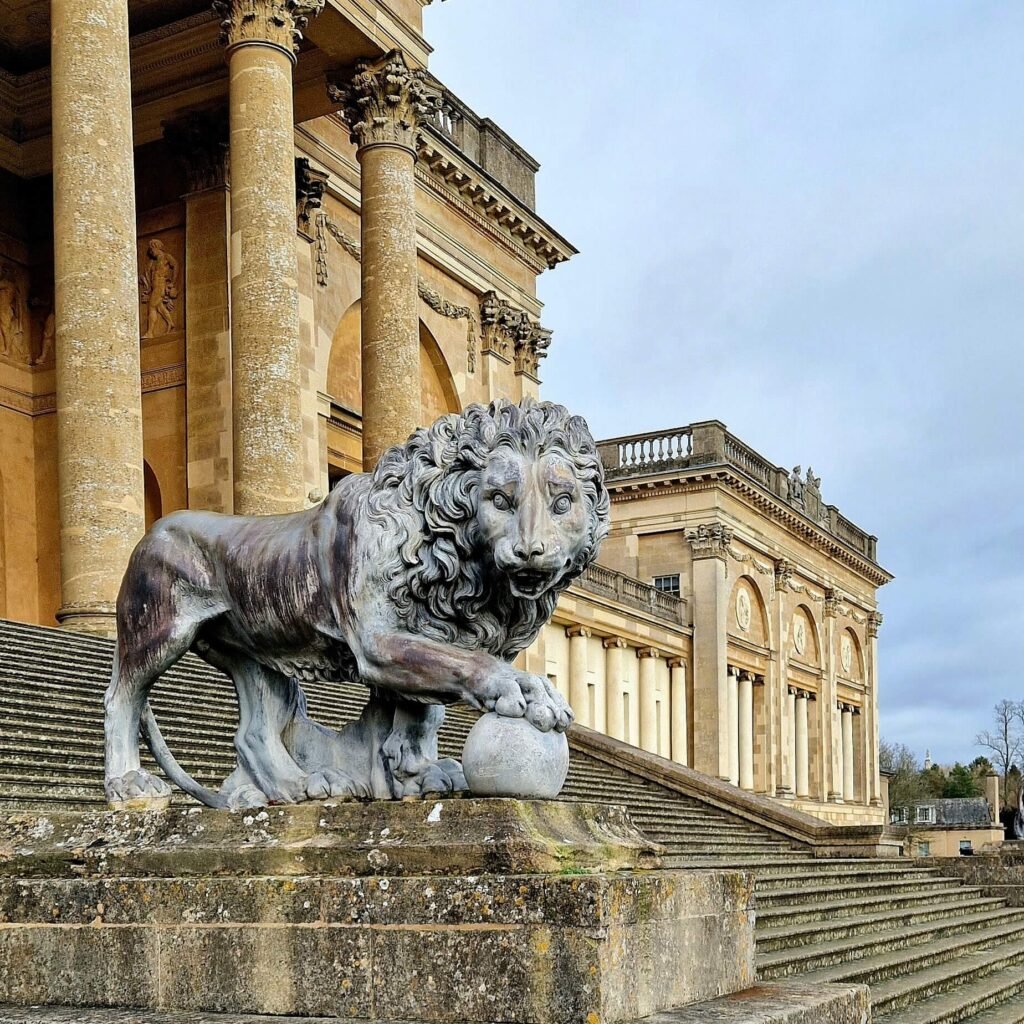
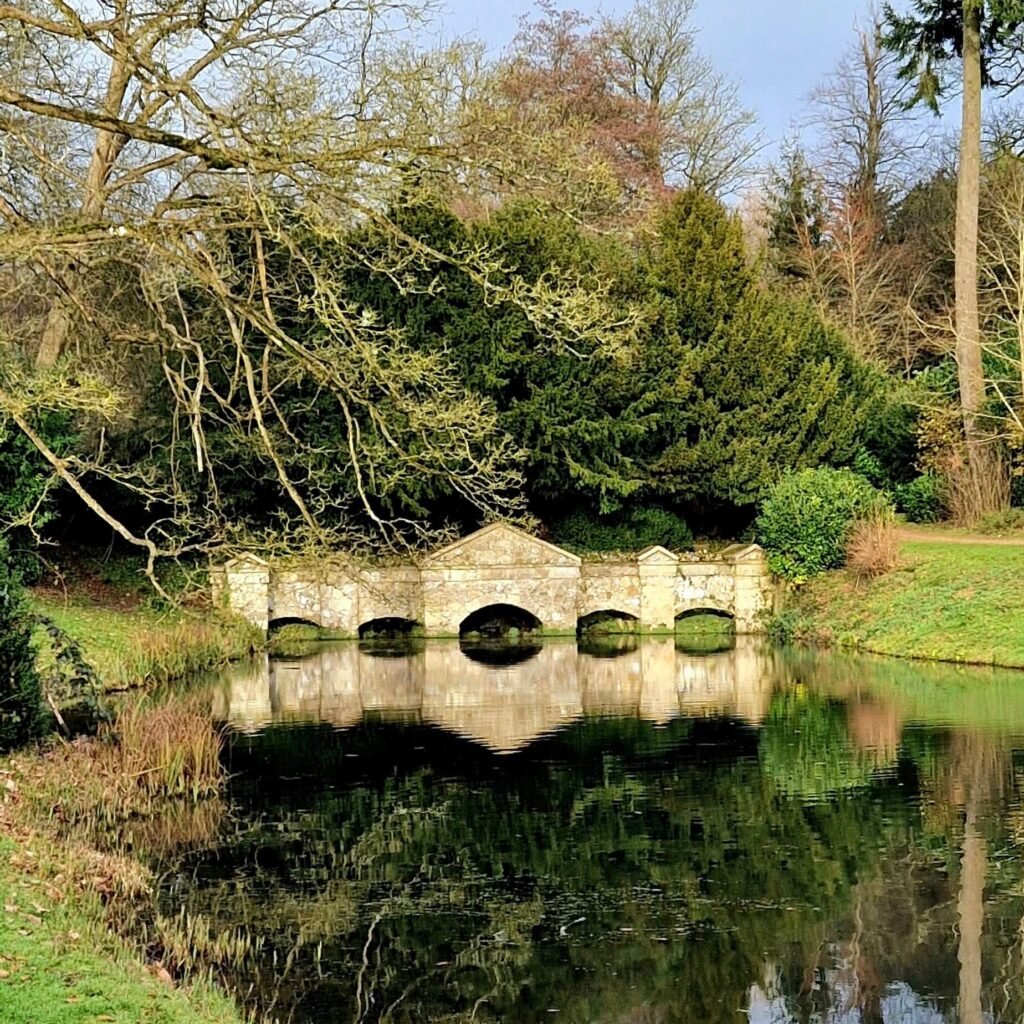
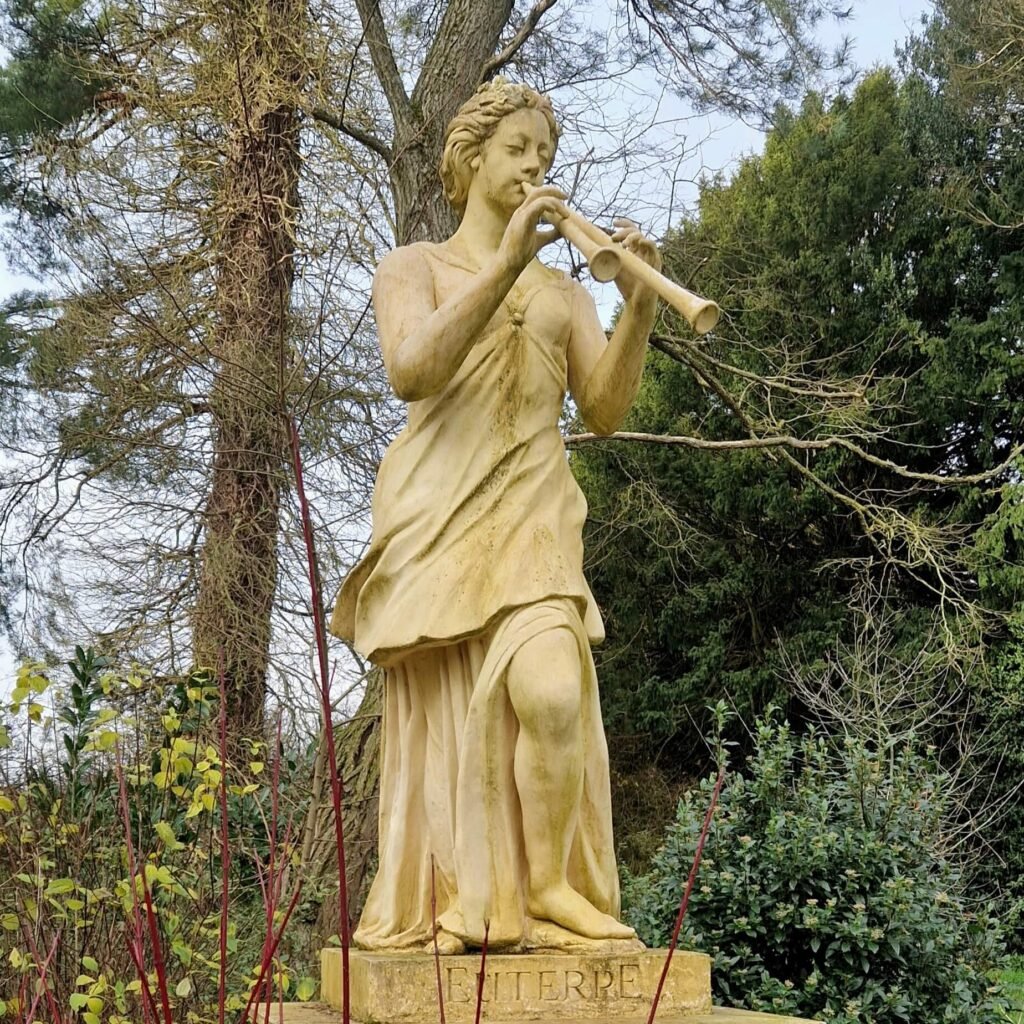
Stowe was owned by the Temple-Grenville family for more than 300 years. In the 18th century, they transformed Stowe into their principal seat and employed leading gardeners, architects and designers to create the magnificent landscape you can see today.
Lancelot ‘Capability’ Brown started his career at Stowe Gardens in 1740. In 1741, he was appointed head gardener and worked at Stowe until 1751, before going on to become one of the most fashionable and wealthy independent landscape gardeners of his time. And yes, this is one of our favourite dog-friendly historic places!
Dogs at Stowe: Dogs are welcome on leads throughout the garden, parkland, shop and Parlour Rooms.
6. Waddesdon Manor in Buckinghamshire, HP18 0JH
Free entry: 19–20 September 2026, 10:00–17:00.
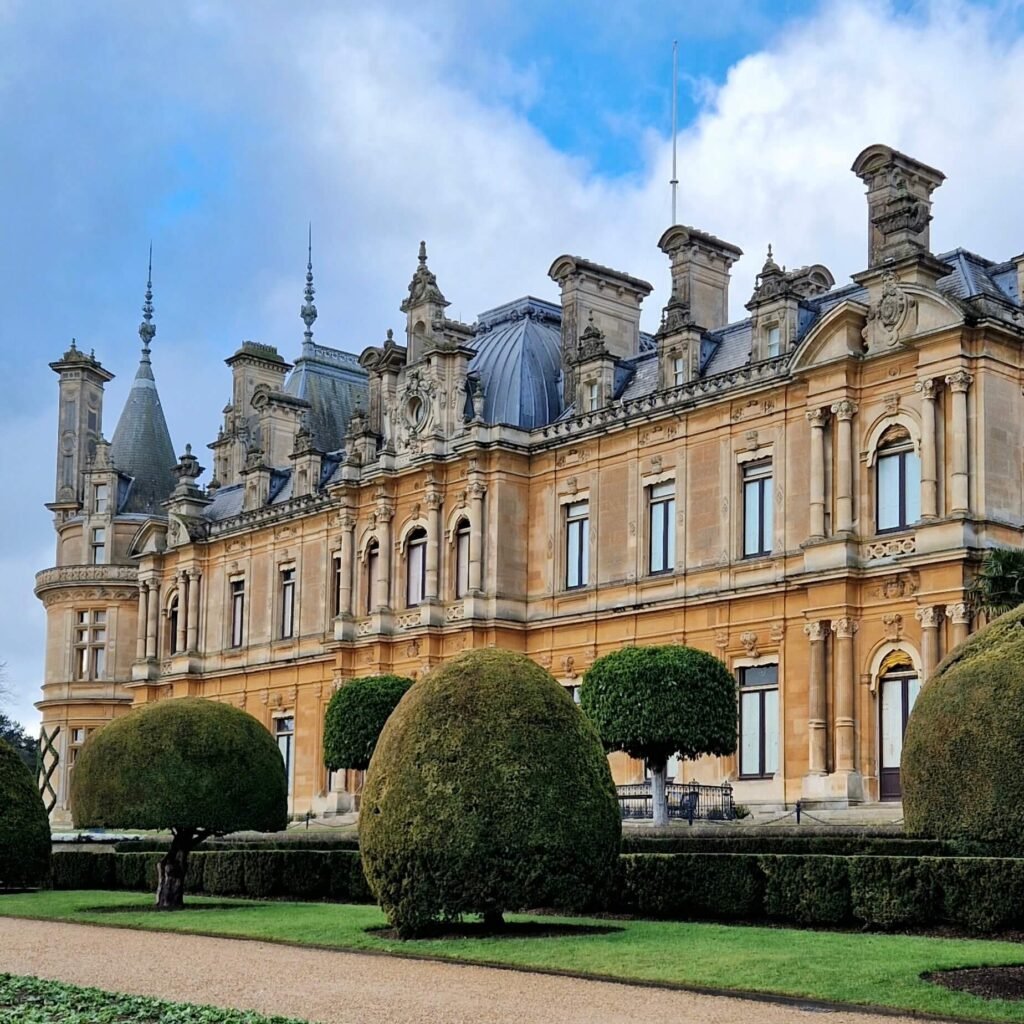
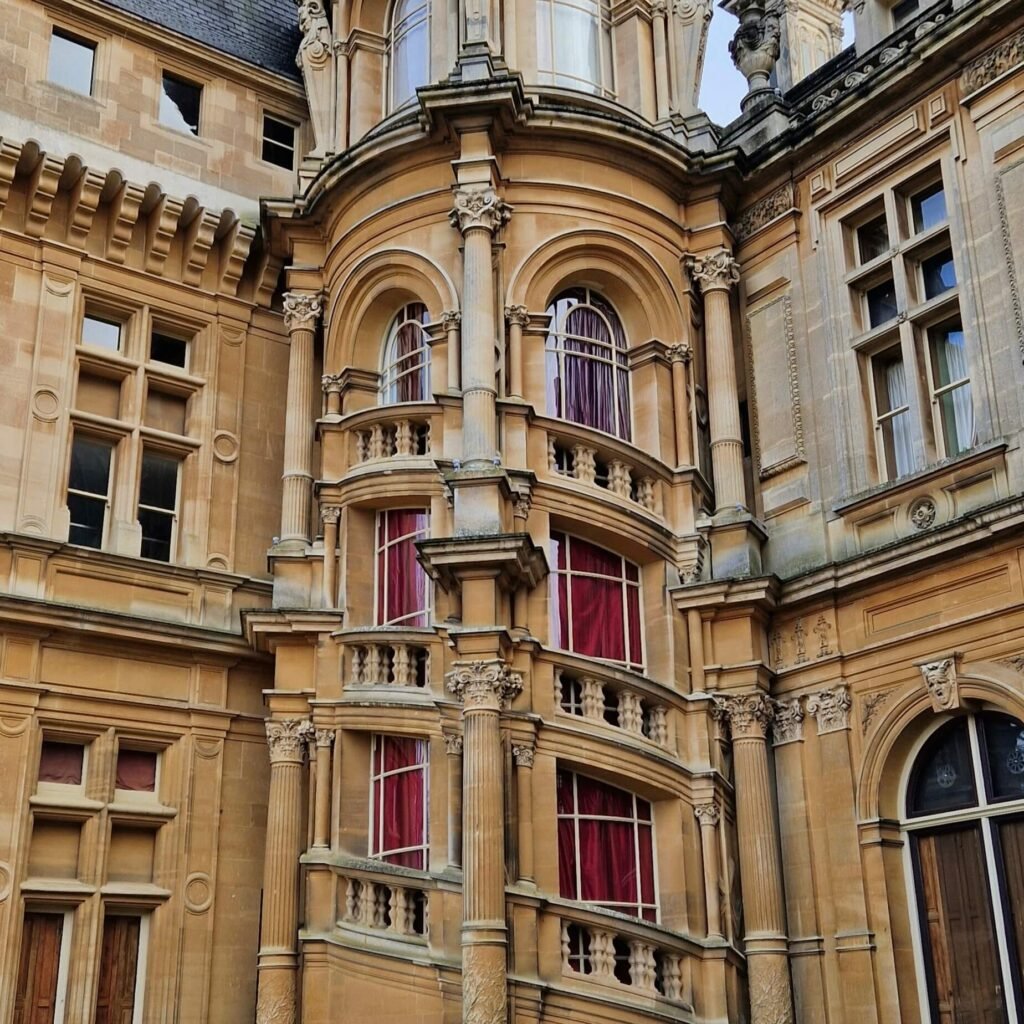
Explore this French Renaissance-style château, built by Baron Ferdinand de Rothschild in 1874. Once completed, Waddesdon quickly became famous for Ferdinand’s ‘Saturday to Monday’ house parties. His guest list included leading figures from social, cultural and political life, among them the Prince of Wales. Queen Victoria herself visited in 1890.
Waddesdon is not just about the house. Its gardens are among the finest examples of Victorian garden design, with many original features carefully restored. One of the highlights is the Rococo-style aviary at the heart of the grounds.
Dogs at Waddesdon: Dogs are welcome anywhere in the grounds, with the exception of the Aviary and Woodland Playground.
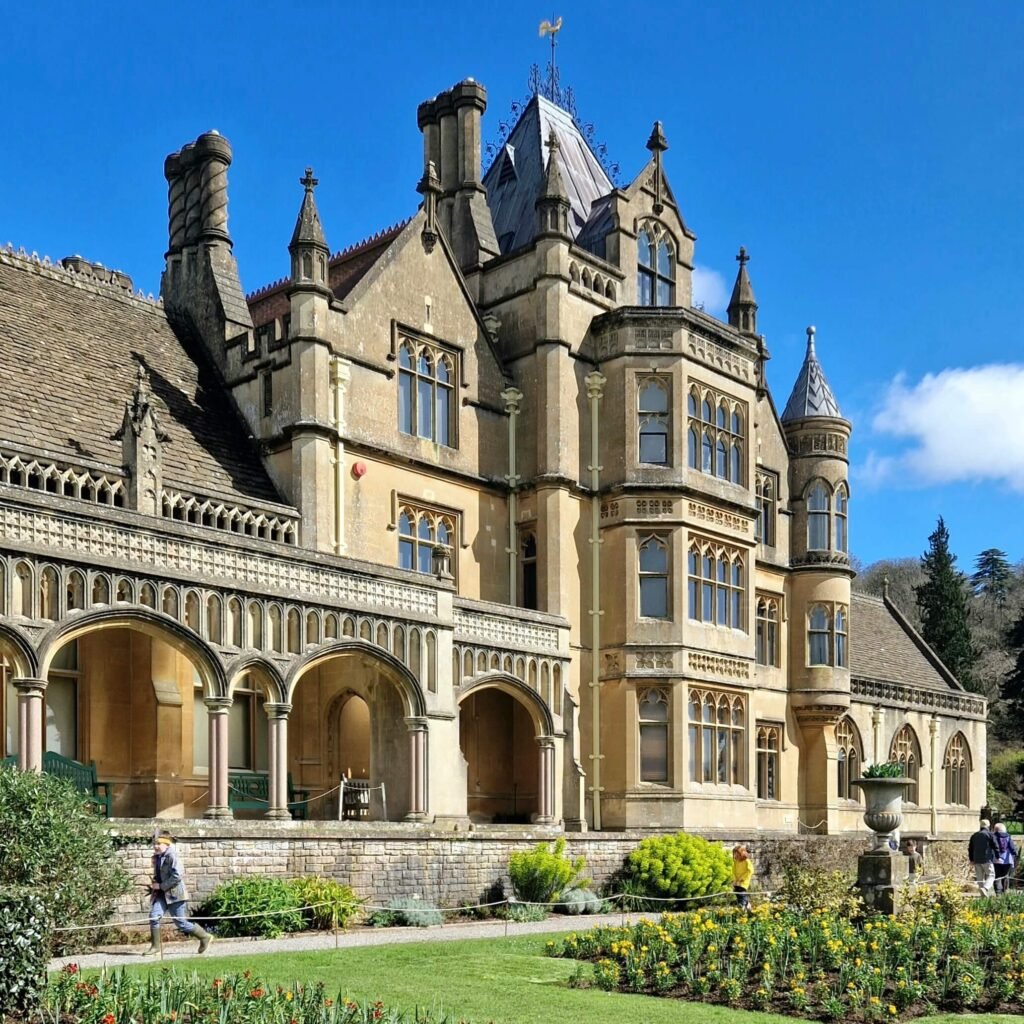
7. Tyntesfield in North Somerset, BS48 1PA
Free entry: 11–20 September 2026, 10:00–18:00.
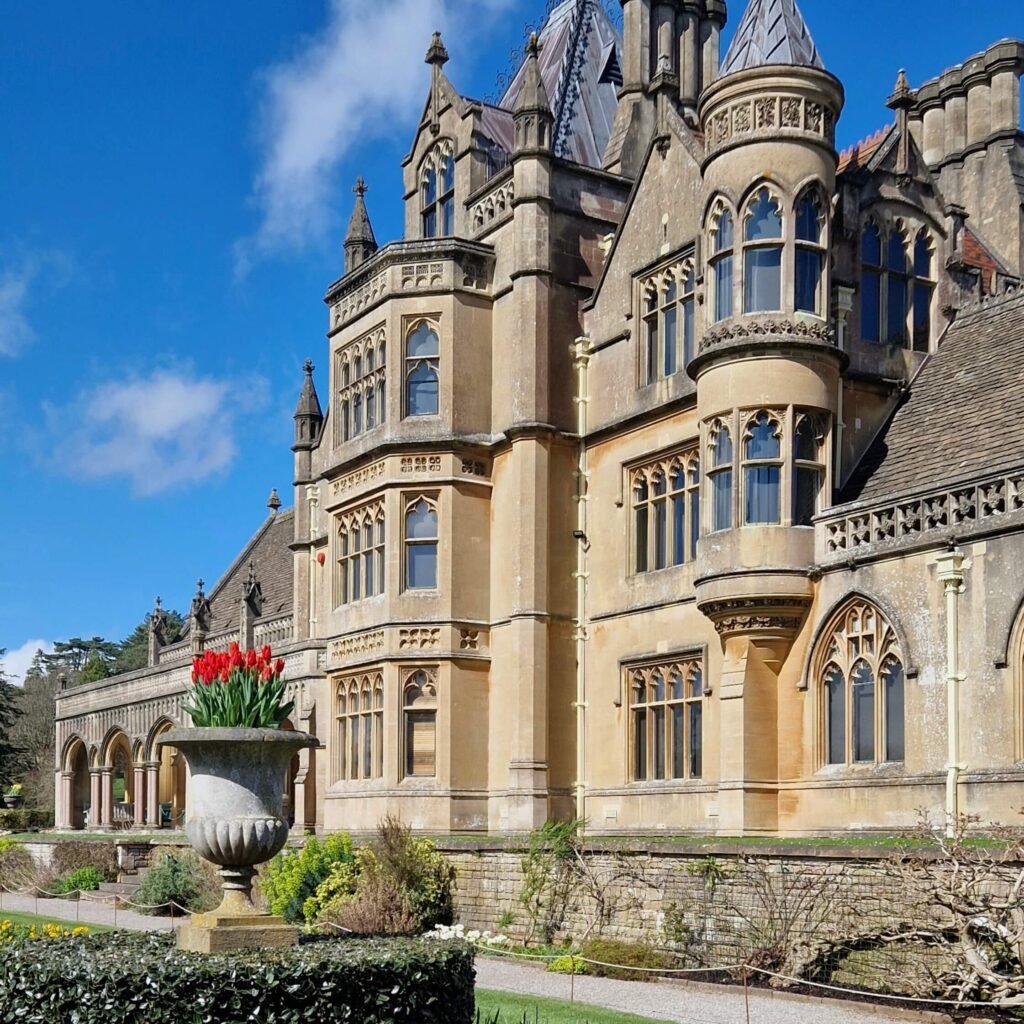
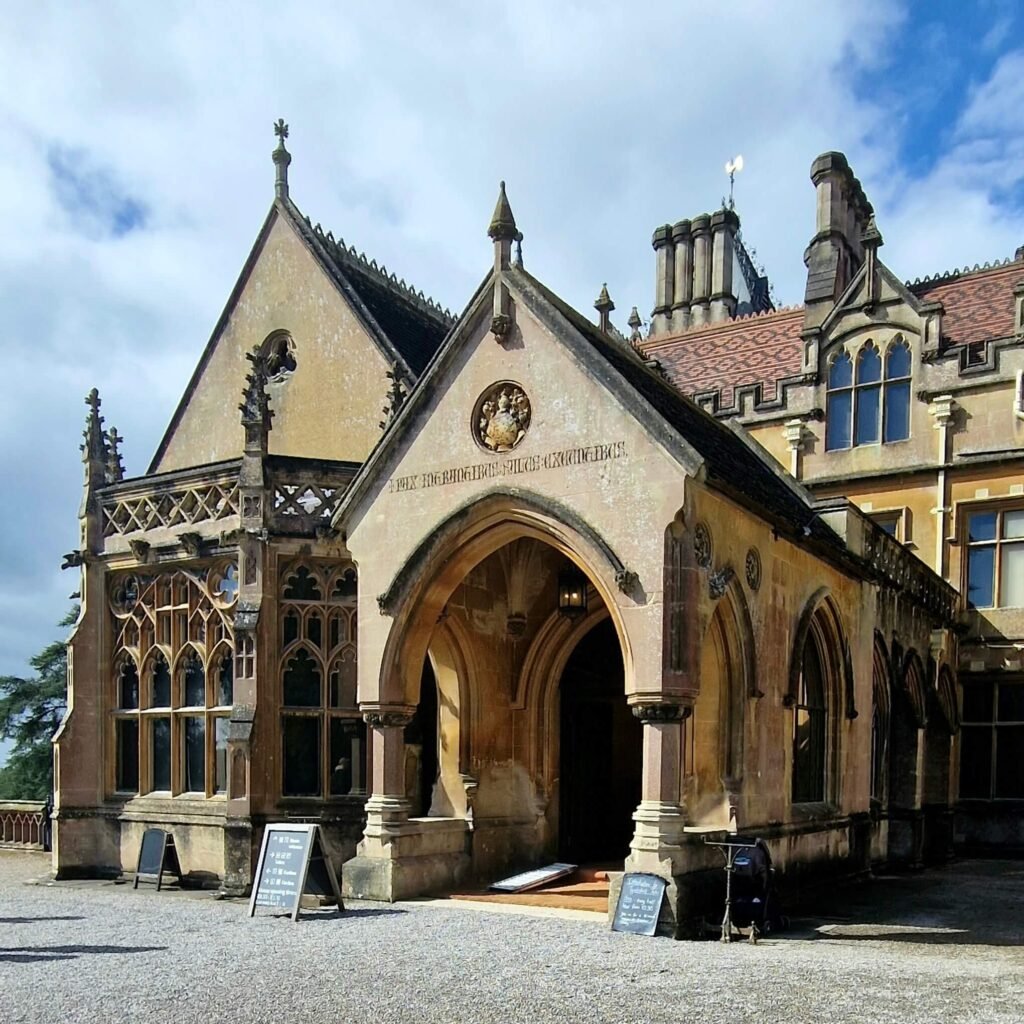
The story of Tyntesfield is inextricably linked to the Gibbs family. William Gibbs, a successful merchant and, at the time, one of the richest men in England, made his fortune trading a highly effective fertiliser: guano from Peru.
The Gibbs family owned the house until the death of Richard Gibbs in 2001. In 2002, to prevent Tyntesfield from being sold into private hands and to ensure it would remain open to the public, the National Trust launched a major fundraising campaign, ‘Save Tyntesfield’, and managed to raise £8.2 million in just 100 days.
Dogs at Tyntesfield: Dogs are welcome on short leads, except in the Kitchen Garden and inside the house.
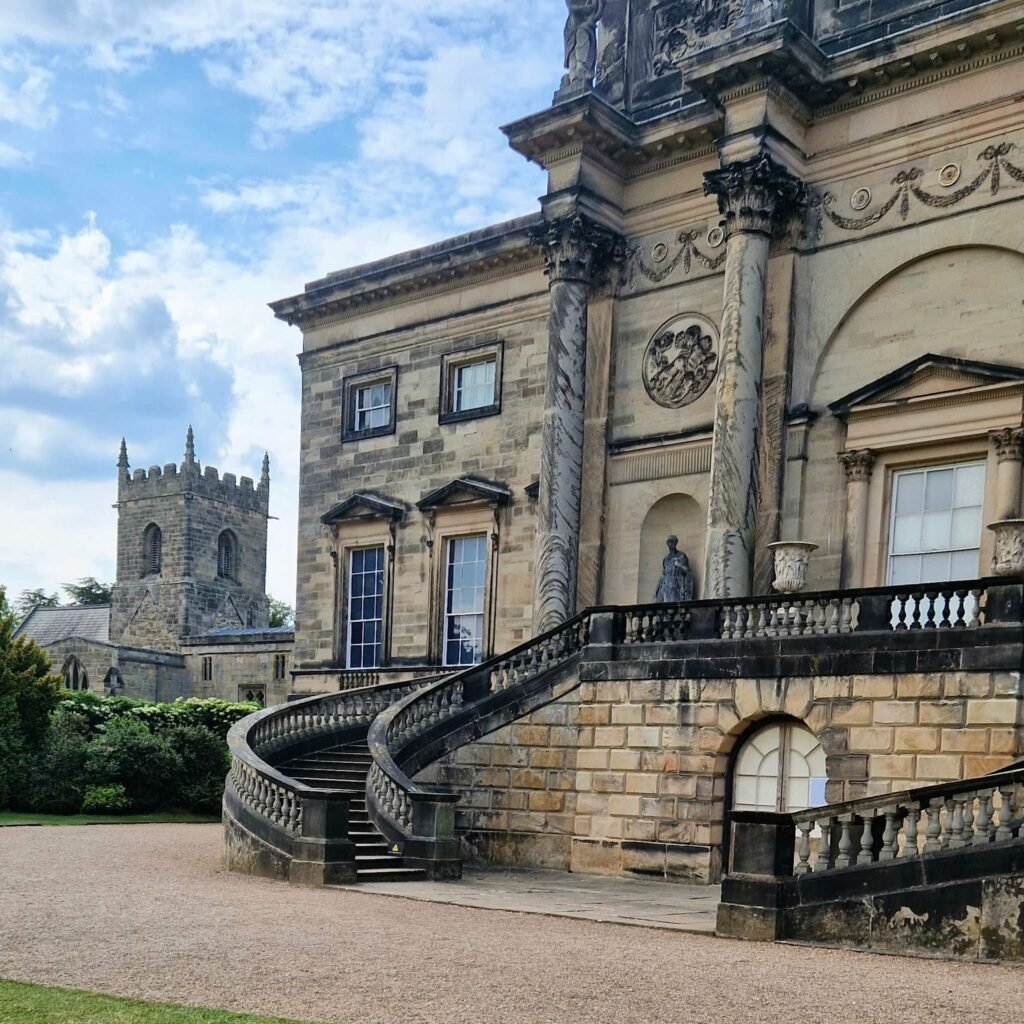
8. Kedleston Hall in Derbyshire, DE22 5JH
Free entry: 14–20 September 2026, 09:00–17:00.
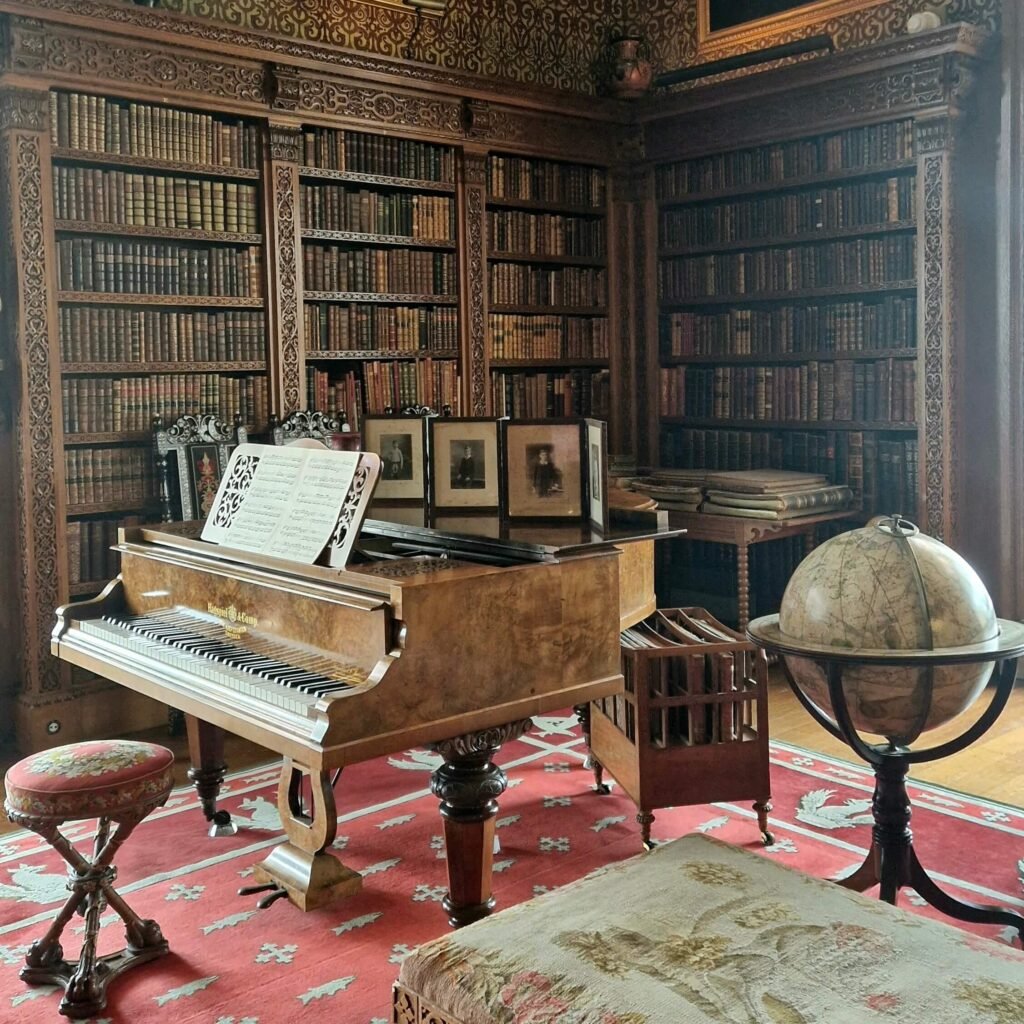
The impressive Kedleston Hall you can see today was designed and built between 1759 and 1765 for Nathaniel Curzon. This new creation by the young architect Robert Adam replaced an earlier medieval manor house and also required the removal of the small medieval village of Kedleston. Unfortunately, by the 1970s, the Curzon family could no longer afford to maintain Kedleston Hall. The house, park and garden were therefore offered to the National Trust, on the condition that the family could continue living in the private 23-room family wing.
The expansive grounds feature both long and short walks, with sweeping views across Kedleston’s parkland and plenty of opportunities to spot wildlife.
Dogs at Kedleston: Dogs on leads are welcome in the outdoor areas, restaurant, bookshop and shop. Assistance dogs are welcome inside the Hall.
9. Hidcote in Gloucestershire, GL55 6LR
Free entry: 13 September 2026, 10:00–16:00.
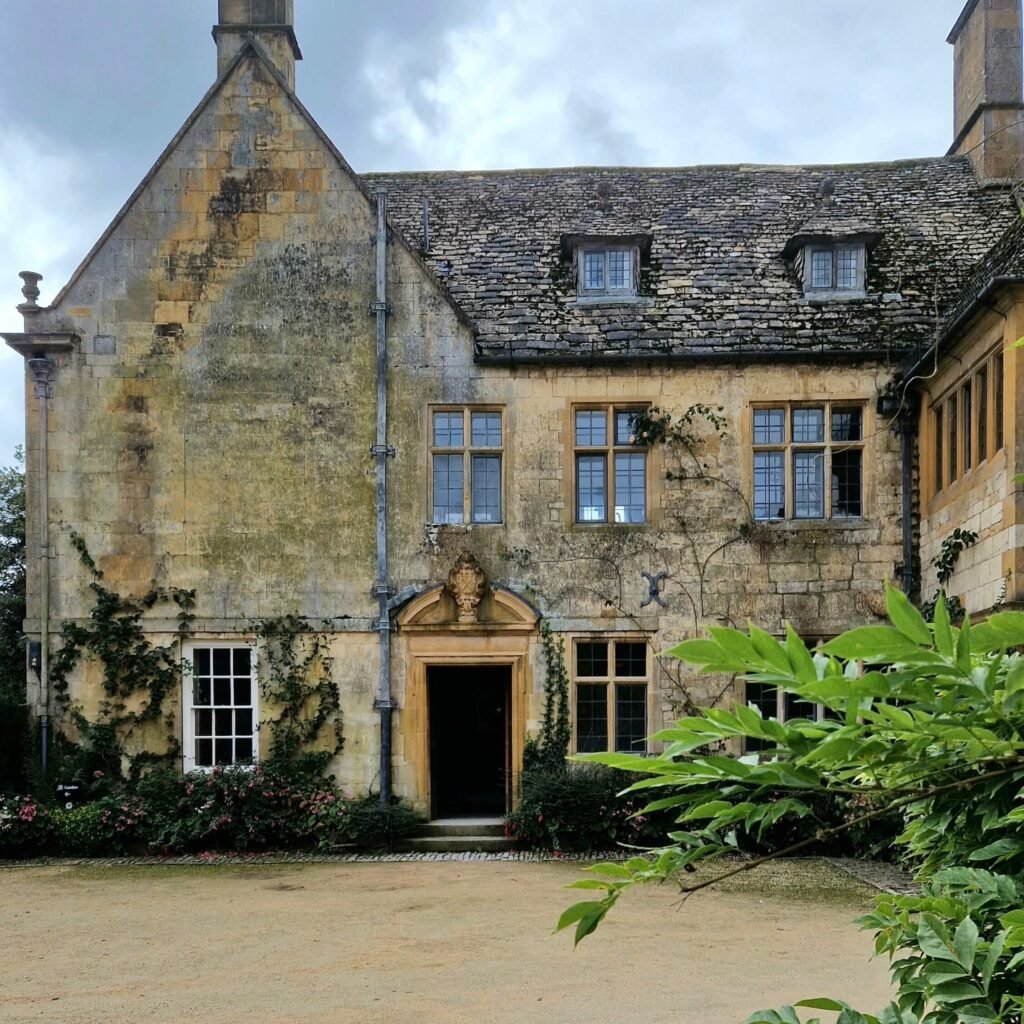
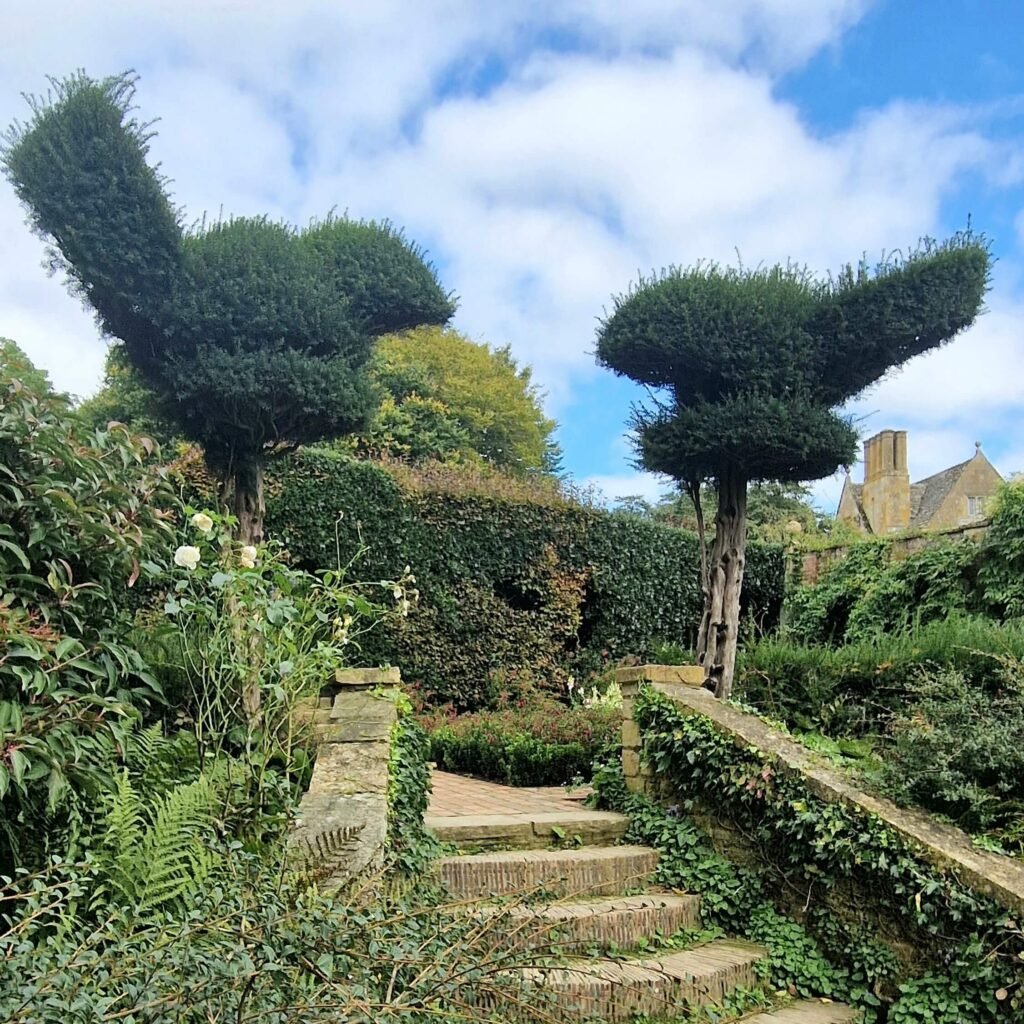
The story of Hidcote is inextricably linked with Lawrence Johnston, an enthusiastic garden designer and tireless plant hunter who created one of England’s greatest gardens in Gloucestershire. His passion for gardening, combined with his mother’s fortune, meant that he never had to work and could indulge in his favourite hobby.
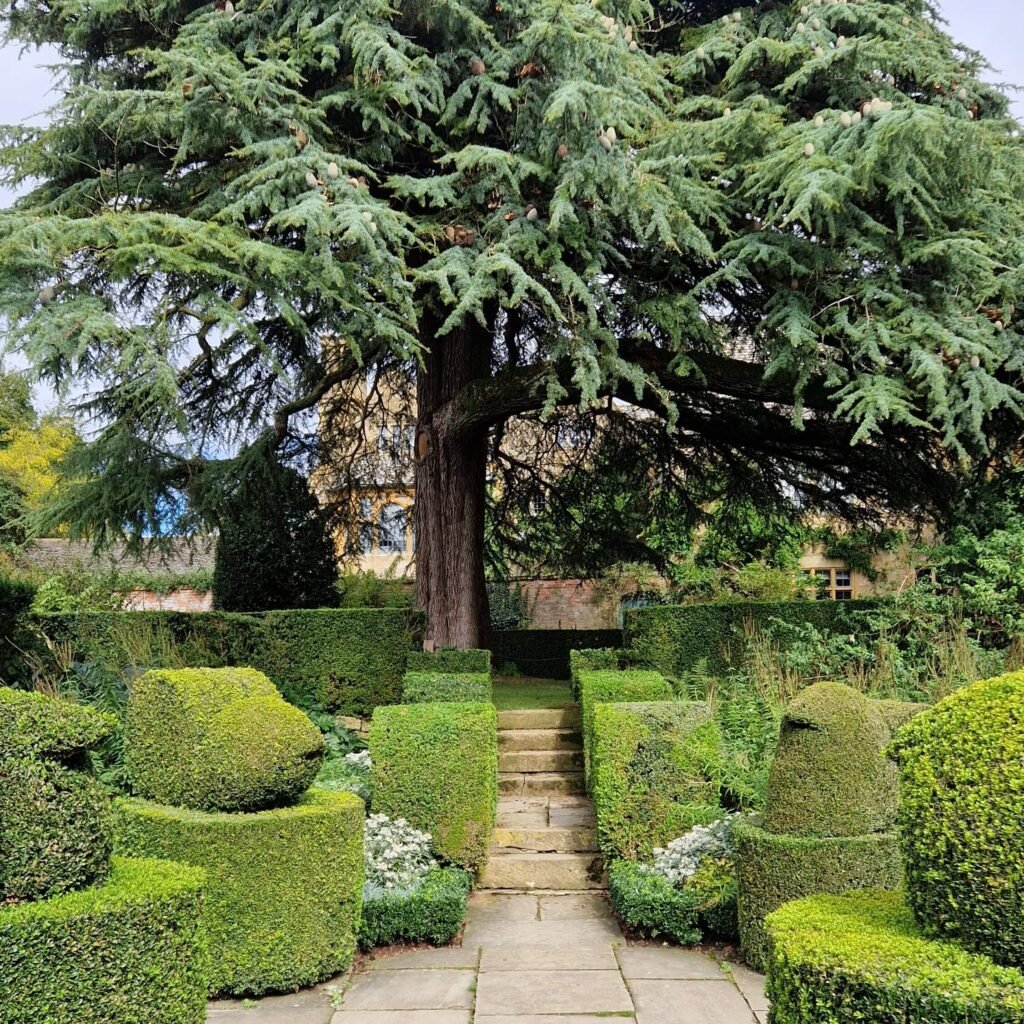
A talented horticulturist and a member of both the Garden Society and the Royal Horticultural Society, Lawrence Johnston devoted a significant part of his life to gardening at Hidcote. He created a series of intimate ‘garden rooms’, each divided by hedges and each with its own character and atmosphere.
Dogs at Hidcote: Dogs are welcome in all areas except the Old Garden complex and Manor House.
10. Clumber Park in Nottinghamshire, S80 3BE
Free entry: 18 September 2026, 10:00–15:00.
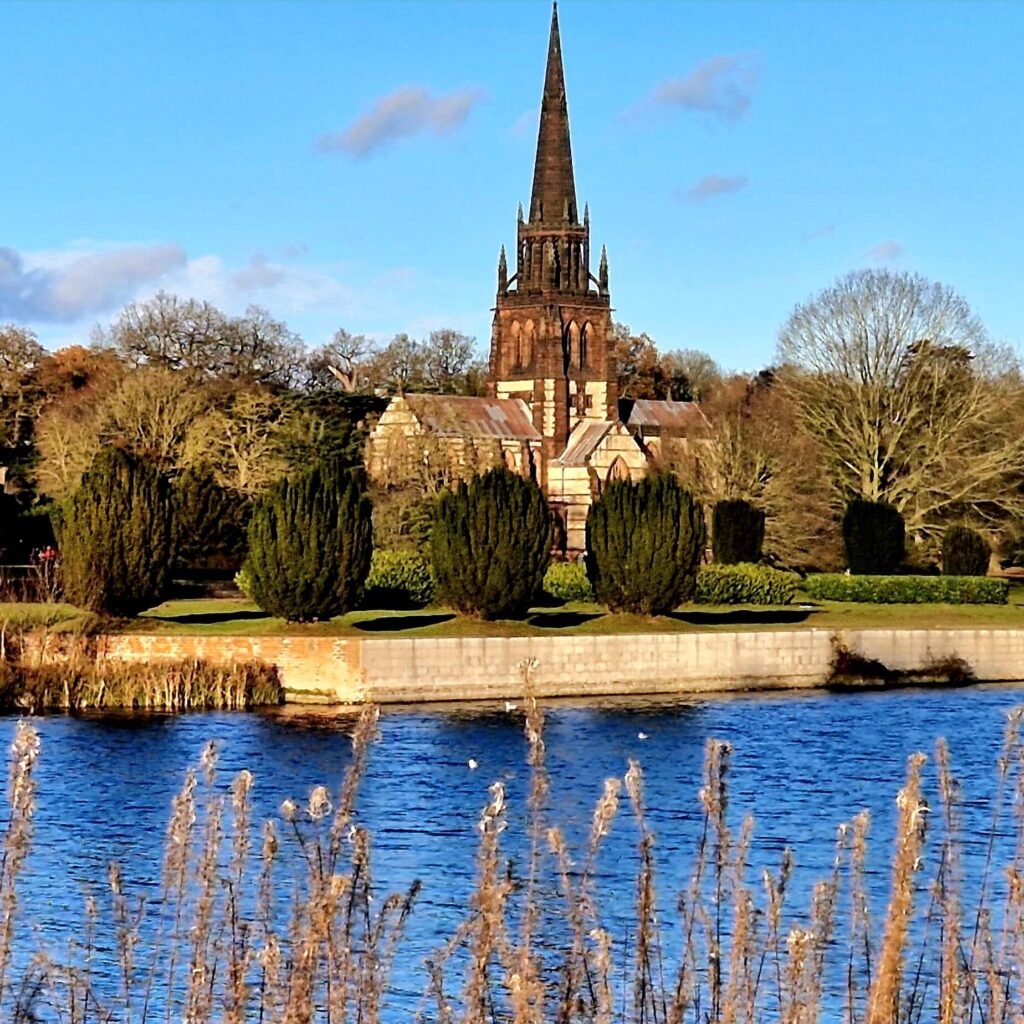
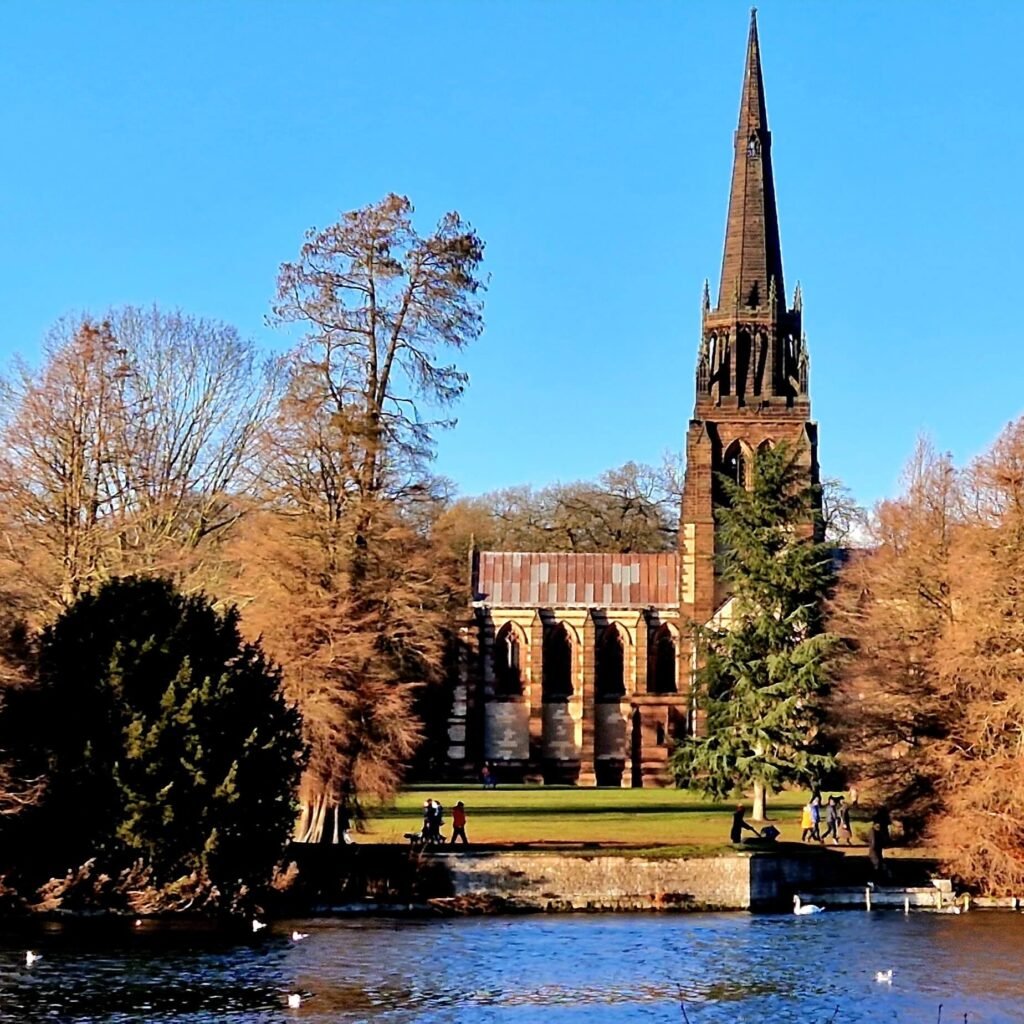
Clumber Park, originally part of the famous Sherwood Forest, became a country estate of the Dukes of Newcastle in 1768. The park is also famous for having one of the longest double avenues of lime trees in Europe, planted in 1840.
Unfortunately, Clumber House was demolished in 1938, but you can still visit the impressive 19th-century Chapel of St Mary the Virgin. In 1946, the park was purchased by the National Trust.
Dogs at Clumber Park: Dogs are very welcome across Clumber Park. They even have their own dog-friendly café, Central Bark. Although dogs are not allowed inside the main Turning Yard Café, they are welcome to sit at the outdoor tables.
From grand country estates and historic gardens to fascinating houses and beautiful parkland, these dog-friendly historic places offer a wonderful way to discover England’s heritage with your four-legged companion. And with free entry during Heritage Open Days, there’s never been a better excuse to grab the lead, pack some treats and set off on a little adventure together!